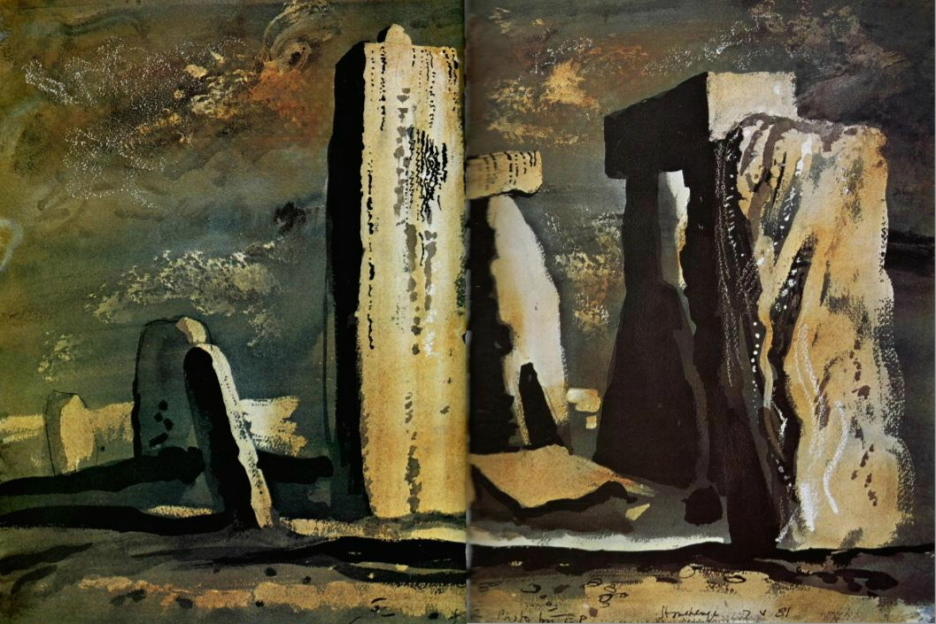
From time without
end
you rest
there in the midst of the paths
in the midst of the winds
you rest
covered with the droppings of birds
grass growing from you feet
your head decked with the down of bird
you rest
in the midst of the winds
you wait
Aged one.
Wednesday, January 10, 2007

Thursday, January 04, 2007
Out of the strong came forth sweetness
Such a small band of brothers and sisters, sharing our love for stones and still places. Easy to forget that they endure while we do not. And in our passing by we might smile and squabble or write a line or two but then, too soon, are gone again.
Thank you for your words Rebecca, and for your feelings, and for your insights.
Thank you for your words Rebecca, and for your feelings, and for your insights.
Monday, January 01, 2007

Maeshowe
Circle of light and darkness, be our sign.
We move in shadows,
Brodgar has burned on the moor a dance of sun.
Ring of quern and plough, contain
Our tumults of blood.
The stars' chaos is caught in a strict rein.
Wheel of life and death, remove
The sweet warm breath.
Ingibiorg flowers in stone, all beauty and love.
Round of sun and snow and seed,
Out of those skulls
Breaks the first green shoot, the full ear, then the bread.
George Mackay Brown (1921-1996)
We move in shadows,
Brodgar has burned on the moor a dance of sun.
Ring of quern and plough, contain
Our tumults of blood.
The stars' chaos is caught in a strict rein.
Wheel of life and death, remove
The sweet warm breath.
Ingibiorg flowers in stone, all beauty and love.
Round of sun and snow and seed,
Out of those skulls
Breaks the first green shoot, the full ear, then the bread.
George Mackay Brown (1921-1996)
Saturday, December 23, 2006
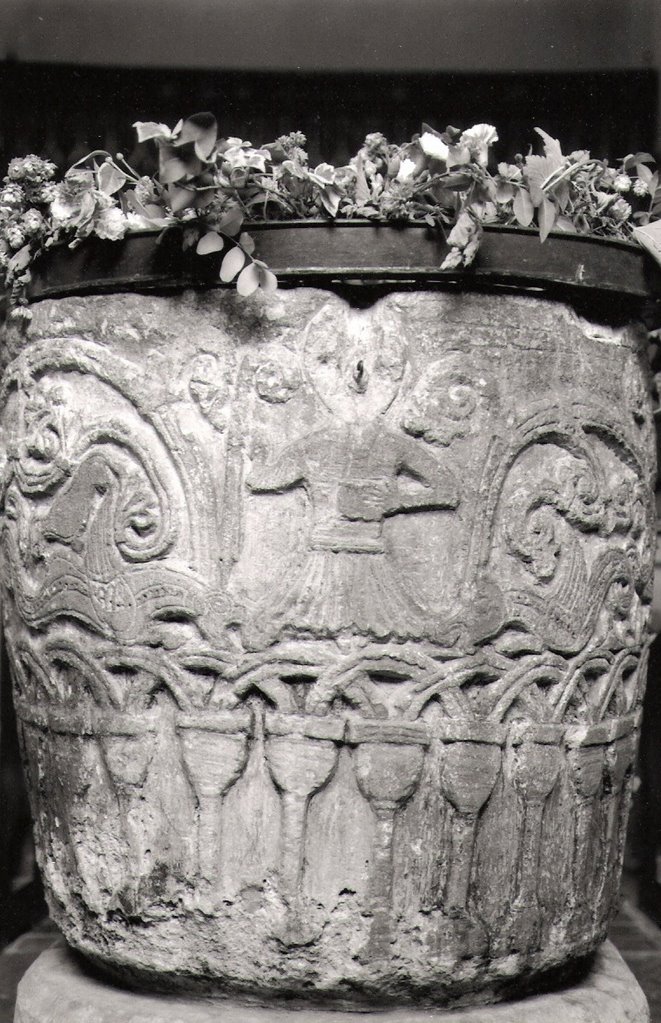
Rites from A Day at the Earth House
In the church of St James, at his post
on the font a priest with no face holds two smooth-
coiled snakes at bay. The two stone avenues
coil up over the hill to the henge. Out of sight
the organ tunes up for a wedding and, white
ribbons shivering, a sit-up-and-beg
white Morris takes a road marked red
on the map, that cuts the henge. A sideways
glance: the bride in the back looks, let's say
carsick, as they slow to thread between
great stones. The dancers on the green
wag their hankies like aunts on the end
of the platform of centuries: Morris men
in white laundered blouses slashed -
cross their hearts - with these sashes
of blood red, like barber's poles.
Philip Gross
on the font a priest with no face holds two smooth-
coiled snakes at bay. The two stone avenues
coil up over the hill to the henge. Out of sight
the organ tunes up for a wedding and, white
ribbons shivering, a sit-up-and-beg
white Morris takes a road marked red
on the map, that cuts the henge. A sideways
glance: the bride in the back looks, let's say
carsick, as they slow to thread between
great stones. The dancers on the green
wag their hankies like aunts on the end
of the platform of centuries: Morris men
in white laundered blouses slashed -
cross their hearts - with these sashes
of blood red, like barber's poles.
Philip Gross
Friday, December 22, 2006
.jpg)
Beacon in the night
She sat quietly at the water's edge
alder and willows in-between
and on the further bank she saw
a stone all clad in mossy green.
She plucked her skirts and went across
knelt there a little while
the stone it stood just as before
while on her lips there played a smile.
Old one, she did say to it
I think you more than just a stone
what lessons have you for today
in this place and all alone?
The stone stood just as before
across its surface shadows flickered
and through the branches swaying close
the old one sighed then gently whispered.
Low I was laid then stood again
suns and moons did pass this way
and at the end I will lay once more
stilled beacon on the final day.
She stretched a finger to the stone
and ran it down its mossy face.
Are you lovelier than I she mocked
wiser than the human race?
The stone it stood just as before
across its surface shadows flickered.
Yes my child it did reply
lovelier and wiser it gently whispered.
She stood in fury
and turned around
she took three paces
across the ground.
And at the water's edge she turned
and cast a glare towards the stone
across its surface shadows flickered
the old one stood there all alone.
There is nothing lovelier than I said she
nothing wiser than the human race
take note of this with each dark night
that falls across your mossy face.
The stone it stood just as before
across its surface shadows flickered
and as the day fell into night
the moon rose up and gently whispered.
I am far lovelier than you fair maid
wiser than the human race
I have cast my light across this ground
along the path you start to trace.
She looked then from moon to stone
while on the water moonlight flickered
and in the shadows all around
a voice rose up and gently whispered.
I am even lovelier than the moon
wiser than the earth you now do pace
I am the one without a name
that comes and goes without a trace.
And who are you she did enquire
in the shadows all out of sight?
Silence was the long reply
save for the beacon in the night.
Anon
alder and willows in-between
and on the further bank she saw
a stone all clad in mossy green.
She plucked her skirts and went across
knelt there a little while
the stone it stood just as before
while on her lips there played a smile.
Old one, she did say to it
I think you more than just a stone
what lessons have you for today
in this place and all alone?
The stone stood just as before
across its surface shadows flickered
and through the branches swaying close
the old one sighed then gently whispered.
Low I was laid then stood again
suns and moons did pass this way
and at the end I will lay once more
stilled beacon on the final day.
She stretched a finger to the stone
and ran it down its mossy face.
Are you lovelier than I she mocked
wiser than the human race?
The stone it stood just as before
across its surface shadows flickered.
Yes my child it did reply
lovelier and wiser it gently whispered.
She stood in fury
and turned around
she took three paces
across the ground.
And at the water's edge she turned
and cast a glare towards the stone
across its surface shadows flickered
the old one stood there all alone.
There is nothing lovelier than I said she
nothing wiser than the human race
take note of this with each dark night
that falls across your mossy face.
The stone it stood just as before
across its surface shadows flickered
and as the day fell into night
the moon rose up and gently whispered.
I am far lovelier than you fair maid
wiser than the human race
I have cast my light across this ground
along the path you start to trace.
She looked then from moon to stone
while on the water moonlight flickered
and in the shadows all around
a voice rose up and gently whispered.
I am even lovelier than the moon
wiser than the earth you now do pace
I am the one without a name
that comes and goes without a trace.
And who are you she did enquire
in the shadows all out of sight?
Silence was the long reply
save for the beacon in the night.
Anon
Sunday, December 17, 2006
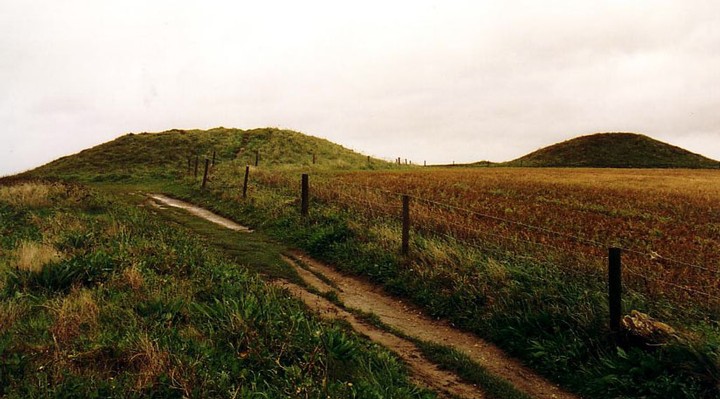
The Burial Mound
In my mind, the glowing hump
Becomes illuminated by angry rays
Striking off the stone grey sea.
And for a moment
The discordant gulls
Weave as one with the receding day.
Voices of the long dead
Sweep upwards from the desecrated grave,
To keen with the flowing wind.
And, as eyelids flutter,
People gather in the gloom
And the gestalt sings awhile,
Despite times menstruum.
Fiona Colligan-Yano
Becomes illuminated by angry rays
Striking off the stone grey sea.
And for a moment
The discordant gulls
Weave as one with the receding day.
Voices of the long dead
Sweep upwards from the desecrated grave,
To keen with the flowing wind.
And, as eyelids flutter,
People gather in the gloom
And the gestalt sings awhile,
Despite times menstruum.
Fiona Colligan-Yano
Thursday, December 07, 2006
A good night
A good night under the stars at Avebury there last night.
Old friends met and a big groundsheet shared between seven.
A whisper here and there.
A wisdom well-spoken.
A warm hand reaching out to cold fingers
lost until then in a barren dream now gone away.
A clear and brimming glass of flame-thrown champagne.
A lost scotch in the dew-drenched grass of an expectant morning.
Shooting stars with signs instead of the reticent tinkling of silent ice.
And then early partings
chilled, fulfilled, quiet and sleep-surrounded.
Dew-drenched happiness wished to loved ones for another year.
Dreams meanwhile to tickle one's mind-edges and stretch one's fingertips.
Until a colder, quieter sun sifts itself amongst our ancient stones.
Silverfox
Old friends met and a big groundsheet shared between seven.
A whisper here and there.
A wisdom well-spoken.
A warm hand reaching out to cold fingers
lost until then in a barren dream now gone away.
A clear and brimming glass of flame-thrown champagne.
A lost scotch in the dew-drenched grass of an expectant morning.
Shooting stars with signs instead of the reticent tinkling of silent ice.
And then early partings
chilled, fulfilled, quiet and sleep-surrounded.
Dew-drenched happiness wished to loved ones for another year.
Dreams meanwhile to tickle one's mind-edges and stretch one's fingertips.
Until a colder, quieter sun sifts itself amongst our ancient stones.
Silverfox
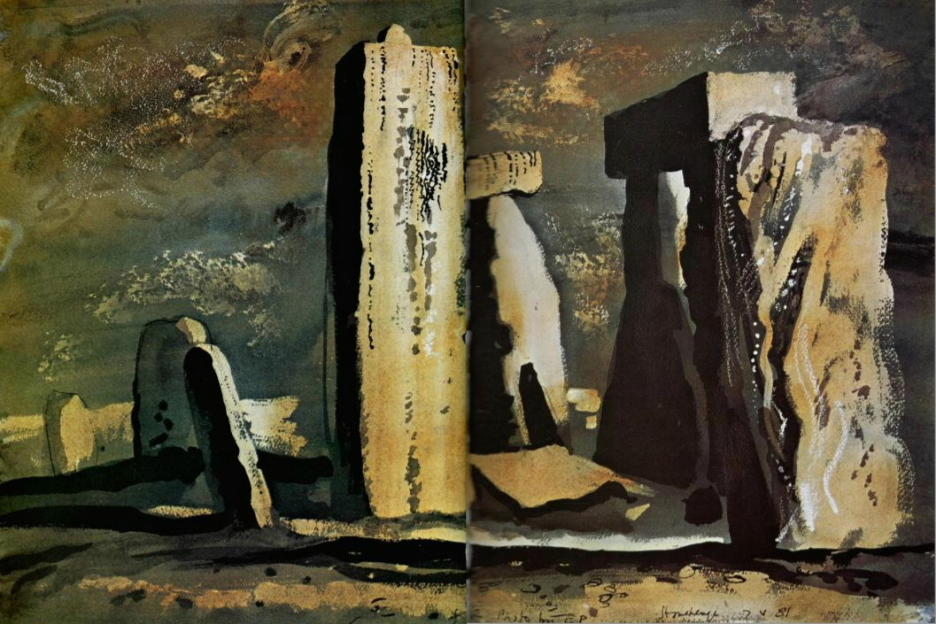
The Stones
This is the city where men are mended.
I lie on a great anvil.
The flat blue sky-circle
Flew off like the hat of a doll
When I fell out of the light. I entered
The stomach of indifference, the wordless cupboard.
The mother of pestles diminished me.
I became a still pebble.
The stones of the belly were peaceable,
The head-stone quiet, jostled by nothing.
Only the mouth-hole piped out,
Importunate cricket
In a quarry of silences.
The people of the city heard it.
They hunted the stones, taciturn and separate,
The mouth-hole crying their locations.
Drunk as a foetus
I suck at the paps of darkness.
The food tubes embrace me. Sponges kiss my lichens away.
The jewelmaster drives his chisel to pry
Open one stone eye.
This is the after-hell: I see the light.
A wind unstoppers the chamber
Of the ear, old worrier.
Water mollifies the flint lip,
And daylight lays its sameness on the wall.
The grafters are cheerful,
Heating the pincers, hoisting the delicate hammers.
A current agitates the wires
Volt upon volt. Catgut stitches my fissures.
A workman walks by carrying a pink torso.
The storerooms are full of hearts.
This is the city of spare parts.
My swaddled legs and arms smell sweet as rubber.
Here they can doctor heads, or any limb.
On Fridays the little children come
To trade their hooks for hands.
Dead men leave eyes for others.
Love is the uniform of my bald nurse.
Love is the bone and sinew of my curse.
The vase, reconstructed, houses
The elusive rose.
Ten fingers shape a bowl for shadows.
My mendings itch. There is nothing to do.
I shall be good as new.
Sylvia Plath (1932-1963)
I lie on a great anvil.
The flat blue sky-circle
Flew off like the hat of a doll
When I fell out of the light. I entered
The stomach of indifference, the wordless cupboard.
The mother of pestles diminished me.
I became a still pebble.
The stones of the belly were peaceable,
The head-stone quiet, jostled by nothing.
Only the mouth-hole piped out,
Importunate cricket
In a quarry of silences.
The people of the city heard it.
They hunted the stones, taciturn and separate,
The mouth-hole crying their locations.
Drunk as a foetus
I suck at the paps of darkness.
The food tubes embrace me. Sponges kiss my lichens away.
The jewelmaster drives his chisel to pry
Open one stone eye.
This is the after-hell: I see the light.
A wind unstoppers the chamber
Of the ear, old worrier.
Water mollifies the flint lip,
And daylight lays its sameness on the wall.
The grafters are cheerful,
Heating the pincers, hoisting the delicate hammers.
A current agitates the wires
Volt upon volt. Catgut stitches my fissures.
A workman walks by carrying a pink torso.
The storerooms are full of hearts.
This is the city of spare parts.
My swaddled legs and arms smell sweet as rubber.
Here they can doctor heads, or any limb.
On Fridays the little children come
To trade their hooks for hands.
Dead men leave eyes for others.
Love is the uniform of my bald nurse.
Love is the bone and sinew of my curse.
The vase, reconstructed, houses
The elusive rose.
Ten fingers shape a bowl for shadows.
My mendings itch. There is nothing to do.
I shall be good as new.
Sylvia Plath (1932-1963)
Tuesday, December 05, 2006

Here I lie
Here I lie, no longer flesh or even dust.
Yet here I lie, in signs that tell
That once there was a man
Like you. Who lived and laughed.
I am no less than you, for having gone,
Nor are my rights the less.
I am a man like you and ask
Only that my life is not denied.
Yet here you dig, in blind and selfish haste,
Smashing every clue but one
Because it glints a little
And feed your avaricious taste.
Now, that is all I am,
What bling within your grubby palm.
What now? What will you do
To save me from oblivion?
Take it home in secret? Make it shine?
Show it to your mates to hear their Oohs?
Claim your right to store a husk of history
And never know your history was mine?
Nigel Swift
Yet here I lie, in signs that tell
That once there was a man
Like you. Who lived and laughed.
I am no less than you, for having gone,
Nor are my rights the less.
I am a man like you and ask
Only that my life is not denied.
Yet here you dig, in blind and selfish haste,
Smashing every clue but one
Because it glints a little
And feed your avaricious taste.
Now, that is all I am,
What bling within your grubby palm.
What now? What will you do
To save me from oblivion?
Take it home in secret? Make it shine?
Show it to your mates to hear their Oohs?
Claim your right to store a husk of history
And never know your history was mine?
Nigel Swift
Friday, December 01, 2006
The Holly-Tree
To return to the Holly-Tree. When I awoke next day, it was freezing hard, and the lowering sky threatened more snow. My breakfast cleared away, I drew my chair into its former place, and, with the fire getting so much the better of the landscape that I sat in twilight, resumed my Inn remembrances. That was a good Inn down in Wiltshire where I put up once, in the days of the hard Wiltshire ale, and before all beer was bitterness. It was on the skirts of Salisbury Plain, and the midnight wind that rattled my lattice window came moaning at me from Stonehenge. There was a hanger-on at that establishment (a supernaturally preserved Druid I believe him to have been, and to be still), with long white hair, and a flinty blue eye always looking afar off; who claimed to have been a shepherd, and who seemed to be ever watching for the reappearance, on the verge of the horizon, of some ghostly flock of sheep that had been mutton for many ages. He was a man with a weird belief in him that no one could count the stones of Stonehenge twice, and make the same number of them; likewise, that any one who counted them three times nine times, and then stood in the centre and said, "I dare!" would behold a tremendous apparition, and be stricken dead.
Charles Dickens
Charles Dickens

Wondering where the Lions are
Sun's up, uh huh, looks okay
The world survives into another day
And I'm thinking about eternity
Some kind of ecstasy got a hold on me
I had another dream about lions at the door
They weren't half as frightening as they were before
But I'm thinking about eternity
Some kind of ecstasy got a hold on me
Walls windows trees, waves coming through
You be in me and I'll be in you
Together in eternity
Some kind of ecstasy got a hold on me
Up among the firs where it smells so sweet
Or down in the valley where the river used to be
I got my mind on eternity
Some kind of ecstasy got a hold on me
And I'm wondering where the lions are...
I'm wondering where the lions are...
Huge orange flying boat rises off a lake
Thousand-year-old petroglyphs doing a double take
Pointing a finger at eternity
I'm sitting in the middle of this ecstasy
Young men marching, helmets shining in the sun,
Polished as precise like the brain behind the gun
(Should be!) they got me thinking about eternity
Some kind of ecstasy got a hold on me
And I'm wondering where the lions are...
I'm wondering where the lions are...
Freighters on the nod on the surface of the bay
One of these days we're going to sail away,
going to sail into eternity
some kind of ecstasy got a hold on me
And I'm wondering where the lions are...
I'm wondering where the lions are...
Bruce Cockburn
The world survives into another day
And I'm thinking about eternity
Some kind of ecstasy got a hold on me
I had another dream about lions at the door
They weren't half as frightening as they were before
But I'm thinking about eternity
Some kind of ecstasy got a hold on me
Walls windows trees, waves coming through
You be in me and I'll be in you
Together in eternity
Some kind of ecstasy got a hold on me
Up among the firs where it smells so sweet
Or down in the valley where the river used to be
I got my mind on eternity
Some kind of ecstasy got a hold on me
And I'm wondering where the lions are...
I'm wondering where the lions are...
Huge orange flying boat rises off a lake
Thousand-year-old petroglyphs doing a double take
Pointing a finger at eternity
I'm sitting in the middle of this ecstasy
Young men marching, helmets shining in the sun,
Polished as precise like the brain behind the gun
(Should be!) they got me thinking about eternity
Some kind of ecstasy got a hold on me
And I'm wondering where the lions are...
I'm wondering where the lions are...
Freighters on the nod on the surface of the bay
One of these days we're going to sail away,
going to sail into eternity
some kind of ecstasy got a hold on me
And I'm wondering where the lions are...
I'm wondering where the lions are...
Bruce Cockburn
Tuesday, November 28, 2006
.jpg)
The Ruin
Well-wrought this wall: Wierds broke it.
The stronghold burst...
Snapped rooftrees, towers fallen,
the work of the Giants, the stonesmiths,
mouldereth.
Rime scoureth gatetowers
rime on mortar.
Shattered the showershields, roofs ruined,
age under-ate them.
And the wielders and wrights?
Earthgrip holds them - gone, long gone,
fast in gravesgrasp while fifty fathers
and sons have passed
Wall stood,
grey lichen, red stone...
The stronghold burst...
Snapped rooftrees, towers fallen,
the work of the Giants, the stonesmiths,
mouldereth.
Rime scoureth gatetowers
rime on mortar.
Shattered the showershields, roofs ruined,
age under-ate them.
And the wielders and wrights?
Earthgrip holds them - gone, long gone,
fast in gravesgrasp while fifty fathers
and sons have passed
Wall stood,
grey lichen, red stone...
Wednesday, November 22, 2006
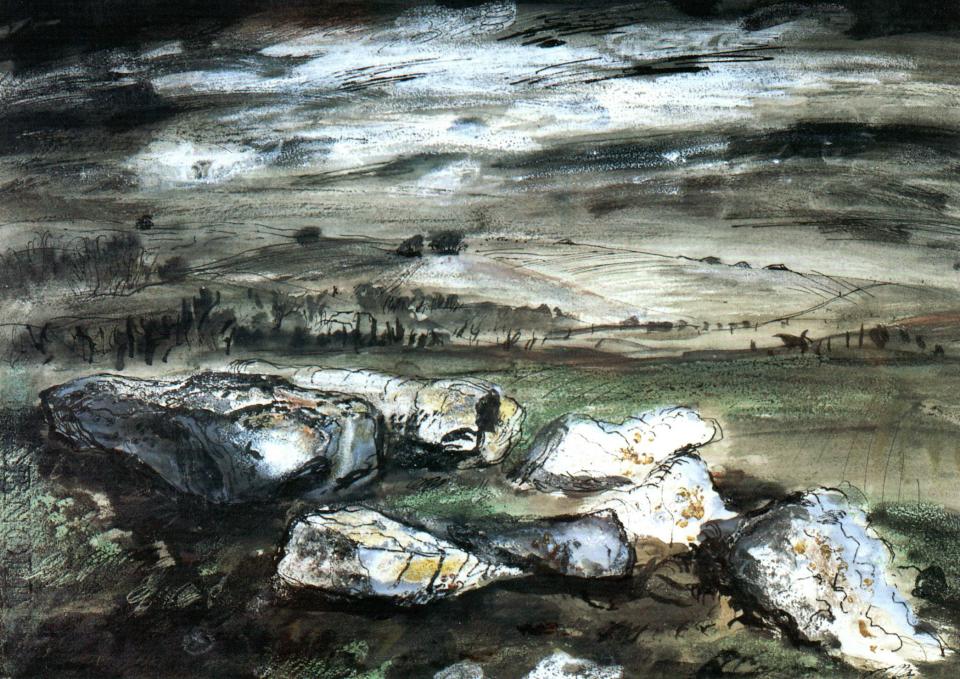
And so
And so, here we lie at last,
Our brief bright story ended.
Know us by these marks –
We loved our world, and yours.
And even at our passing
Committed no offence.
Anon
Our brief bright story ended.
Know us by these marks –
We loved our world, and yours.
And even at our passing
Committed no offence.
Anon
Saturday, November 18, 2006
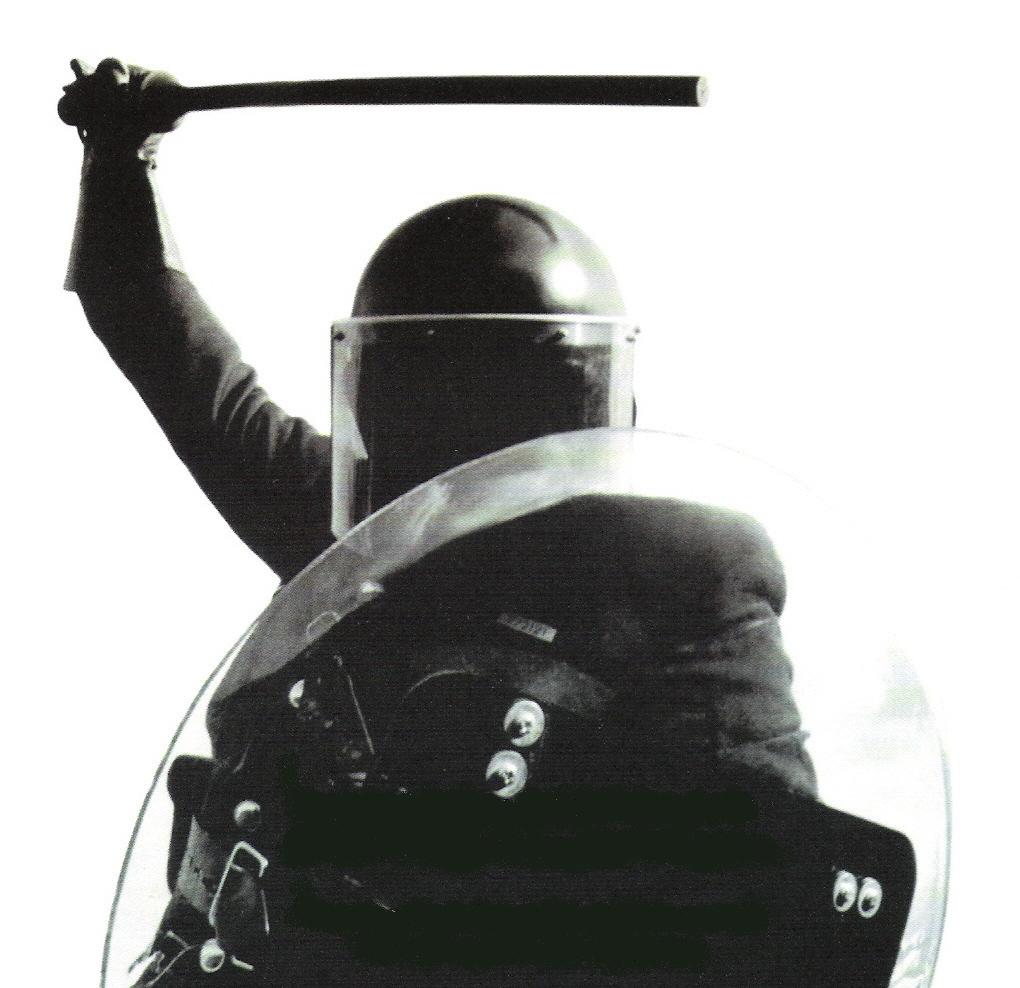
Back to the Stones
My name is John Thomas I come from the grave
Where promises vaporise each latest wave
Straight from the breadline with nothing to spare
For a world of high finance and no purpose, I'd just like to say I don't care
I prefer deprivation it's such a slow death
I just want to walk away, take a deep breath
Do something other than fill the same street
Nothing to live for, no way, no way to fill my heart beat
The summer will come and we will run into the sun again
The summer will come and it will be June 21 again
The summer will come... Back to the stones
The pigs came on Saturday and surrounded the road
Tore down our house and destroyed our abode
The road to the henge was blocked off by the state
600 Hitlers with prejudice, prejudice driven by hate
Brute force and justice will not change my mind
About how I think and the friends that I find
I walk with my head high and I'll never be drawn
By promise of futures I just wouldn't want to be born...
Roy Harper
Where promises vaporise each latest wave
Straight from the breadline with nothing to spare
For a world of high finance and no purpose, I'd just like to say I don't care
I prefer deprivation it's such a slow death
I just want to walk away, take a deep breath
Do something other than fill the same street
Nothing to live for, no way, no way to fill my heart beat
The summer will come and we will run into the sun again
The summer will come and it will be June 21 again
The summer will come... Back to the stones
The pigs came on Saturday and surrounded the road
Tore down our house and destroyed our abode
The road to the henge was blocked off by the state
600 Hitlers with prejudice, prejudice driven by hate
Brute force and justice will not change my mind
About how I think and the friends that I find
I walk with my head high and I'll never be drawn
By promise of futures I just wouldn't want to be born...
Roy Harper
Thursday, November 16, 2006
And this, our life...
And this, our life, exempt from public haunt,
Finds tongues in trees, books in the running brooks,
Sermons in stones, and good in everything.
Shakespeare
As You Like It: Act II. Scene I.
Finds tongues in trees, books in the running brooks,
Sermons in stones, and good in everything.
Shakespeare
As You Like It: Act II. Scene I.
Friday, November 10, 2006
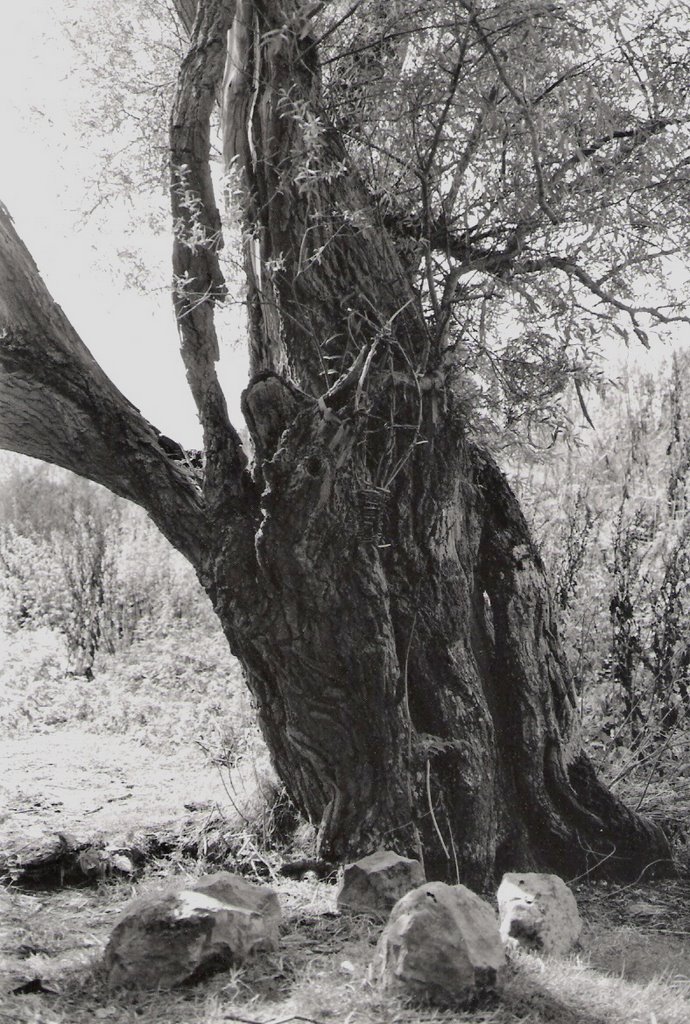
Some men are so blinded
Sume men synd ablende thaet hi bringath heora lac
to eorrdfaestum stane and eac to treowum
and to wylsprimgum swa wiccan taecath
and nellath understandan hu stuntlice hi doth
odde hu se deada stan othe thaet dumbe treow
him maege gehelpan othe haele forgifan
thone hi sylfe ne astyriath of thaere stowe naefre.
Some men are so blinded that they bring their gifts
to earth-fast stones and their prayers to trees
and to well-springs as wizards teach.
And will not understand how foolishly they act
or how the dead stone or the dumb tree
can help or give them health
when those things themselves never move from their place.
From Halitgar's (Halitgarius: 817-831) Latin Penitential. Translated into Old English by Aelfric (955–1020).
to eorrdfaestum stane and eac to treowum
and to wylsprimgum swa wiccan taecath
and nellath understandan hu stuntlice hi doth
odde hu se deada stan othe thaet dumbe treow
him maege gehelpan othe haele forgifan
thone hi sylfe ne astyriath of thaere stowe naefre.
Some men are so blinded that they bring their gifts
to earth-fast stones and their prayers to trees
and to well-springs as wizards teach.
And will not understand how foolishly they act
or how the dead stone or the dumb tree
can help or give them health
when those things themselves never move from their place.
From Halitgar's (Halitgarius: 817-831) Latin Penitential. Translated into Old English by Aelfric (955–1020).
Thursday, November 09, 2006
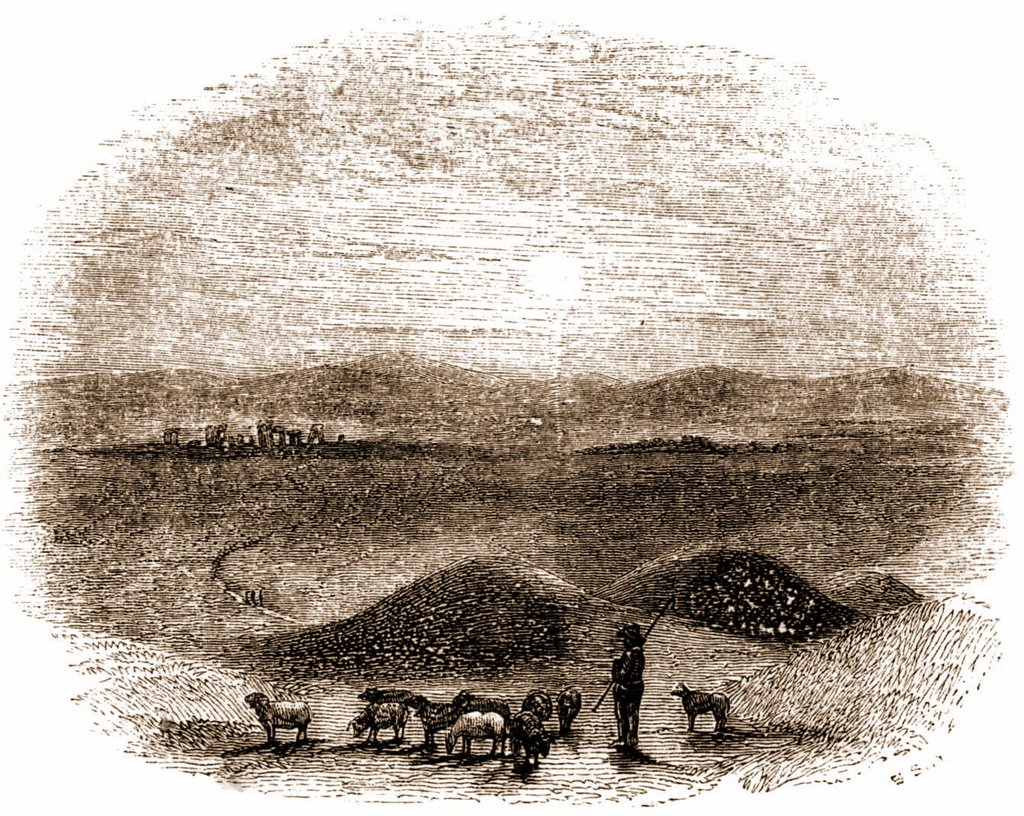
A Wiltshire Tale
Fleets of Bedford rascals make like shepherds for the border
bringing treats and tasty parcels past the grasp of law and order
to a man who mows a meadow just a mile or so from Marlborough
with his silo bins of psylocybin hidden underwater
moonraking making merry modern mirthful smirking mortals
as crop circle tourists searching for the perfect portal
and one-percenters hurtle on in bounty laden bentleys
the centre of their world’s beyond this county evidently
so Farmer Giles smiles gently ‘gainst a stile as if a sentry
his dog the vale air snorts a plenty faithful four and twenty
who hackles up and means to bark but checks his master’s feelings lest
he should put to flight the figure who approaches over the crest
for neither know nor friend nor for like this unbidden guest
who settles there the stile his chair and utters this bequest
“I am that man they call old Nicolas Flamel who cannot die
quicksilver streams immortal dreams between you and my eye
for I was here many a long year before big belly oak was a sapling
from the hill-fort down to the village green I saw tribal teams a-grappling
where Merlin’s mound bound magic in the chalk down ground and the causeway side
where the white horse rides in the bright night sky when the bourne is high and wide
where was a hill hand-harrowed with the marrow of the barrow and the megalith henges aligned
now golf course buggies caddy daddies to the sand and the modern day tumuli
where Romans dropped their coins in wells and lit candles for their friends
they came they saw they left and burnt the sandal at both ends
this shire the spear of Alfred’s Wessex put the danelaw men to run
lashed from here to Essex with rock hard cakes and the English tongue
where templars sharpened swords of steel on standing sarsen stones
where the wind cries ‘myrtle’ round hangman’s tree and the old oak gibbet moans
again crusaders train on the bustard plain to flatten saracen homes
with broadband waistline uptown download chatroom ringtone phones”
and there at last he stopped and cast a graven eye at dog and man
and he said with weary I wish no more to live beyond what mortals can
and he reached deep down in his cloak and he offered up a pebble in his open hand
and said, “here have this stone that grants a neverending span”
but the farmer laughed and said, “why you know not who I am
why none other than that famous feted Giles of Ham
who took the book from the dragon’s nook and stopped time’s falling sand
and I’ve a stone of my own so you take yours and get off my land!”
Nick Harper
bringing treats and tasty parcels past the grasp of law and order
to a man who mows a meadow just a mile or so from Marlborough
with his silo bins of psylocybin hidden underwater
moonraking making merry modern mirthful smirking mortals
as crop circle tourists searching for the perfect portal
and one-percenters hurtle on in bounty laden bentleys
the centre of their world’s beyond this county evidently
so Farmer Giles smiles gently ‘gainst a stile as if a sentry
his dog the vale air snorts a plenty faithful four and twenty
who hackles up and means to bark but checks his master’s feelings lest
he should put to flight the figure who approaches over the crest
for neither know nor friend nor for like this unbidden guest
who settles there the stile his chair and utters this bequest
“I am that man they call old Nicolas Flamel who cannot die
quicksilver streams immortal dreams between you and my eye
for I was here many a long year before big belly oak was a sapling
from the hill-fort down to the village green I saw tribal teams a-grappling
where Merlin’s mound bound magic in the chalk down ground and the causeway side
where the white horse rides in the bright night sky when the bourne is high and wide
where was a hill hand-harrowed with the marrow of the barrow and the megalith henges aligned
now golf course buggies caddy daddies to the sand and the modern day tumuli
where Romans dropped their coins in wells and lit candles for their friends
they came they saw they left and burnt the sandal at both ends
this shire the spear of Alfred’s Wessex put the danelaw men to run
lashed from here to Essex with rock hard cakes and the English tongue
where templars sharpened swords of steel on standing sarsen stones
where the wind cries ‘myrtle’ round hangman’s tree and the old oak gibbet moans
again crusaders train on the bustard plain to flatten saracen homes
with broadband waistline uptown download chatroom ringtone phones”
and there at last he stopped and cast a graven eye at dog and man
and he said with weary I wish no more to live beyond what mortals can
and he reached deep down in his cloak and he offered up a pebble in his open hand
and said, “here have this stone that grants a neverending span”
but the farmer laughed and said, “why you know not who I am
why none other than that famous feted Giles of Ham
who took the book from the dragon’s nook and stopped time’s falling sand
and I’ve a stone of my own so you take yours and get off my land!”
Nick Harper
Friday, November 03, 2006
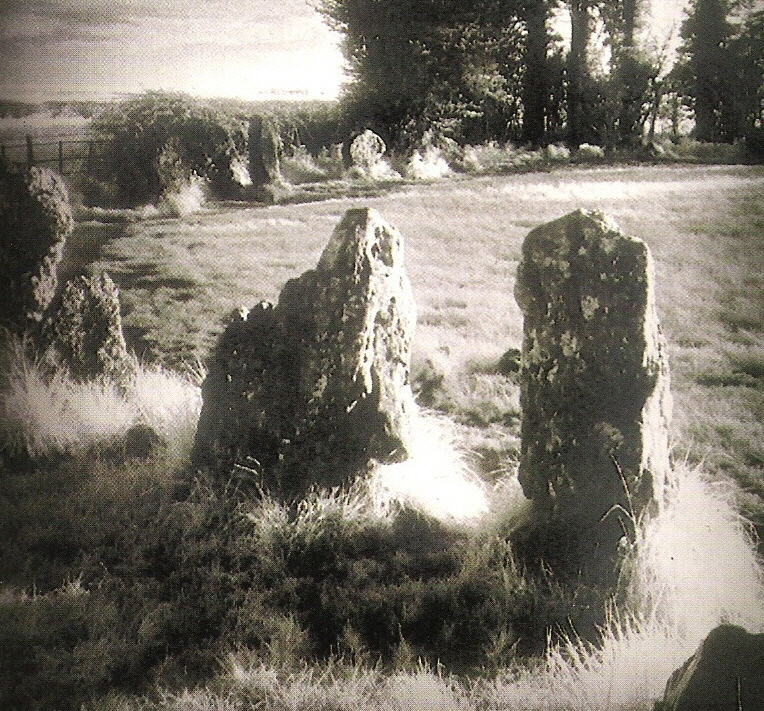
Stones have been known to move
It will have blood; they say, blood will have blood:
Stones have been known to move and trees to speak;
Augurs and understood relations have
By magot-pies and choughs and rooks brought forth
The secret'st man of blood. What is the night?
Shakespeare
Shakespeare
Macbeth: Act III. Scene IV.
Wednesday, November 01, 2006
Battle Of The Beanfield
I thought I heard something calling me
I've seen the pictures on TV
And I made up my mind that I'd go and see
With my own eyes
It didn't take too long to hitch a ride
With a guy going south to start a new life
Past the place where my friend died
Two years ago
Down the 303 at the end of the road
Flashing lights - exclusion zones
And it made me think it's not just the stones
That they're guarding
Hey, hey, now can't you see
There's nothing here that you can call free
They're getting their kicks
They're laughing at you and me
As the sun rose on the beanfield
They came like wolf on the fold
And no, they didn't give a warning
They took their bloody toll
I seen a pregnant woman
Lying in blood of her own
I seen her children crying
As the police tore apart their home
And no they didn't need a reason
It's what your votes condone
It seems they were committing treason
By trying to live on the road
And I say,
Hey, hey, now can't you see
There's nothing here that you can call free
They're getting their kicks
They're laughing at you and me
Hey, hey, now can't you see
There's nothing here that you can call free
They're getting their kicks
They're laughing at you and me
Bastards
Remember what you heard,
Hey, hey, now can't you see
There's nothing here that you can call free
They're getting their kicks
They're laughing at you and me
The Levellers
Sunday, October 29, 2006

Et vos barbaricus
And you, O Druids, free from noise and arms,
Renew’d your barbarous rites and horrid charms.
What Gods, what powers in happy mansions dwell,
Or only you, or all but you can tell.
To secret shades, and unfrequented groves,
From world and cares your peaceful tribe removes.
You teach that souls, eas’d of their mortal load,
Nor with grim Pluto make their dark abode,
Nor wander in pale troops along the silent flood,
But on new regions cast resume their reign,
Content to govern earthy frames again.
Thus death is nothing but the middle line
Betwixt what lives will come, and what have been.
Happy the people by your charms possess’d!
Nor fate, nor fears, disturb their peaceful breast.
On certain dangers unconcern’d they run,
And meet with pleasure what they would not shun;
Defy death’s slighted power, and bravely scorn
To spare a life that will so soon return.
Marcus Annaeus Lucanus (0039-0065)
Renew’d your barbarous rites and horrid charms.
What Gods, what powers in happy mansions dwell,
Or only you, or all but you can tell.
To secret shades, and unfrequented groves,
From world and cares your peaceful tribe removes.
You teach that souls, eas’d of their mortal load,
Nor with grim Pluto make their dark abode,
Nor wander in pale troops along the silent flood,
But on new regions cast resume their reign,
Content to govern earthy frames again.
Thus death is nothing but the middle line
Betwixt what lives will come, and what have been.
Happy the people by your charms possess’d!
Nor fate, nor fears, disturb their peaceful breast.
On certain dangers unconcern’d they run,
And meet with pleasure what they would not shun;
Defy death’s slighted power, and bravely scorn
To spare a life that will so soon return.
Marcus Annaeus Lucanus (0039-0065)
Saturday, October 28, 2006

Ninemaidens
Our sorrow and our joy
Dance with us.
Ninemaidens
We are unaccountable.
Dance with us
The Sabbath-dances.
We are unaccountable
For this summer lightning.
The Sabbath dances
Astonished,
For this summer lightning is love.
Astonished
Our hearts thunder.
Is love
Anything but yes?
Our hearts thunder
With desire for you.
Anything but yes
And we should die.
With desire for you
We are struck dumb.
And we should die
In your arms.
We are struck dumb,
Having too many words.
In your arms
Stone is beautiful.
We open to you.
We close into a circle,
Ninemaidens.
We open to you
Our sorrow and our joy.
D M Thomas
Dance with us.
Ninemaidens
We are unaccountable.
Dance with us
The Sabbath-dances.
We are unaccountable
For this summer lightning.
The Sabbath dances
Astonished,
For this summer lightning is love.
Astonished
Our hearts thunder.
Is love
Anything but yes?
Our hearts thunder
With desire for you.
Anything but yes
And we should die.
With desire for you
We are struck dumb.
And we should die
In your arms.
We are struck dumb,
Having too many words.
In your arms
Stone is beautiful.
We open to you.
We close into a circle,
Ninemaidens.
We open to you
Our sorrow and our joy.
D M Thomas
Wednesday, October 25, 2006
.png)
Snipe
You are soaked with the cold rain -
Like a pelt in tanning liquor.
The moor's swollen waterbelly
Swags and quivers, ready to burst at a step.
Suddenly
Some scrap of dried fabric rips
Itself up
From the marsh-quake, scattering. A soft
Explosion of twilight
In the eyes, with spinning fragment
Somewhere. Nearly lost, wing flash
Stab-trying escape routes, wincing
From each, ducking under
And flinging up over -
Bowed head, jockey shoulders
Climbing headlong
As if hurled downwards -
A mote in the watery eye of the moor -
Hits cloud and
Skis down the far rain wall
Slashes a wet rent
in the rain-duck
Twisting out sideways -
rushes his alarm
Back to the ice age.
The downpour helmet
Tightens on your skull, riddling the pools,
Washing the standing stones and fallen shales
With empty nightfall.
Ted Hughes
Like a pelt in tanning liquor.
The moor's swollen waterbelly
Swags and quivers, ready to burst at a step.
Suddenly
Some scrap of dried fabric rips
Itself up
From the marsh-quake, scattering. A soft
Explosion of twilight
In the eyes, with spinning fragment
Somewhere. Nearly lost, wing flash
Stab-trying escape routes, wincing
From each, ducking under
And flinging up over -
Bowed head, jockey shoulders
Climbing headlong
As if hurled downwards -
A mote in the watery eye of the moor -
Hits cloud and
Skis down the far rain wall
Slashes a wet rent
in the rain-duck
Twisting out sideways -
rushes his alarm
Back to the ice age.
The downpour helmet
Tightens on your skull, riddling the pools,
Washing the standing stones and fallen shales
With empty nightfall.
Ted Hughes
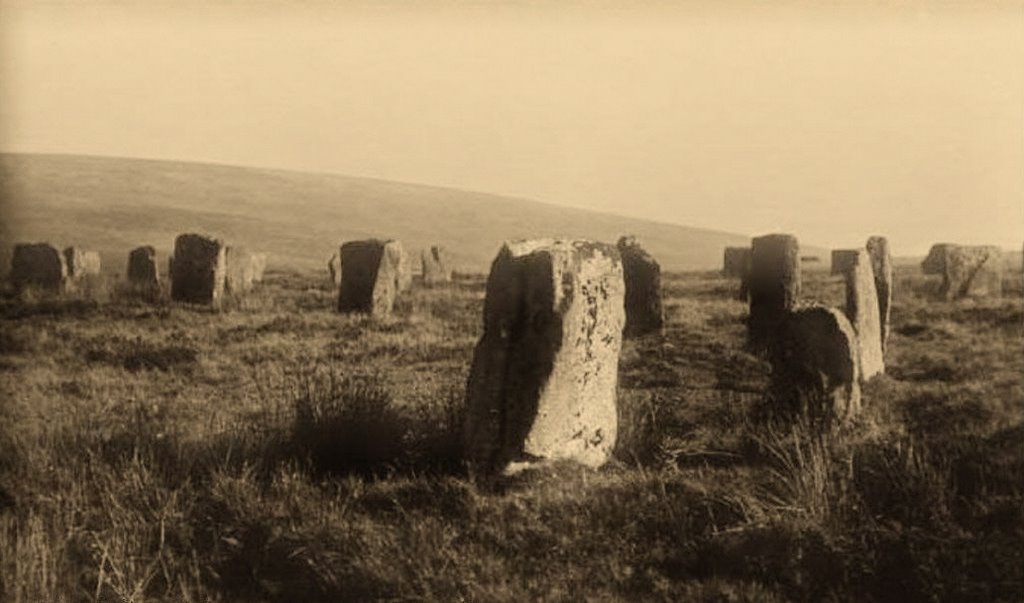
Grey Wethers Stone Circle
We sought Grey Wethers Stone Circle
Stumbling across the dry yellow bents
Of autumn
Along ancient trackways
Meandering all over the place
Linking one valley and another
One group of trees and new plantings.
At last, we reached open moorland
Bare, windswept, no landmarks,
No tors, no churches, no sun
To give us bearings.
A compass point showed due west
And we walked towards where the sun
Should set in the evening hills.
Climbing upwards we reached a ridge -
Still few features, still no sense
Of purpose.
We stumbled on, over rough tussocks
Which hampered progress
And long, tangled grasses
Which tripped clumsy steps.
Downward through marshes
Which shivered under our feet -
The water oozed and gurgled
The land unstable.
We leapt across, feet wet, legs aching,
Lungs bursting, and above us
On the hillside, there were grey stones,
Still, dark, stone sheep, grey wethers,
Fixed forever, granite beasts
At home in the landscape.
Why had we made the journey?
To take photographs?
To sense the indefinable past?
Who knows?
But four New Age Travellers -
Bright clothes, gold earrings, eager smiles,
Passed us
On their pilgrimage.
Anne Trevenen Jenkin
Stumbling across the dry yellow bents
Of autumn
Along ancient trackways
Meandering all over the place
Linking one valley and another
One group of trees and new plantings.
At last, we reached open moorland
Bare, windswept, no landmarks,
No tors, no churches, no sun
To give us bearings.
A compass point showed due west
And we walked towards where the sun
Should set in the evening hills.
Climbing upwards we reached a ridge -
Still few features, still no sense
Of purpose.
We stumbled on, over rough tussocks
Which hampered progress
And long, tangled grasses
Which tripped clumsy steps.
Downward through marshes
Which shivered under our feet -
The water oozed and gurgled
The land unstable.
We leapt across, feet wet, legs aching,
Lungs bursting, and above us
On the hillside, there were grey stones,
Still, dark, stone sheep, grey wethers,
Fixed forever, granite beasts
At home in the landscape.
Why had we made the journey?
To take photographs?
To sense the indefinable past?
Who knows?
But four New Age Travellers -
Bright clothes, gold earrings, eager smiles,
Passed us
On their pilgrimage.
Anne Trevenen Jenkin
Monday, October 23, 2006

Under the Hills Near the Morava River
She lay there midst
Mammoth, reindeer, and wolf bones:
Diadem of fox teeth round her brow
Ocher under her hips
26,640 plus or minus 110 years before "now."
Burnt reindeer-pelvis bone bits
in her mouth,
Bones of two men lying by her,
one each side.
Gary Snyder
Mammoth, reindeer, and wolf bones:
Diadem of fox teeth round her brow
Ocher under her hips
26,640 plus or minus 110 years before "now."
Burnt reindeer-pelvis bone bits
in her mouth,
Bones of two men lying by her,
one each side.
Gary Snyder
Thursday, October 19, 2006

Bodmin Moor
On Bodmin Moor
Broken tooth standing stones
Show where leylines
Perforate the earth.
Along the tear
Sweetfaced ponies
Masked by mud,
Follow paths between
Shaft, Circle, Tor and Sky.
And Dozemary Pool,
Essential blackness,
Lies at the bottom
of a sheer rock shute.
Where,
On a concrete island,
A sheepskin,
Daubed with covering woad,
Is stretched in sacrifice -
An Inverse pupil
Sunken in the Moor’s dark eye.
Fiona Colligan-Yano
Broken tooth standing stones
Show where leylines
Perforate the earth.
Along the tear
Sweetfaced ponies
Masked by mud,
Follow paths between
Shaft, Circle, Tor and Sky.
And Dozemary Pool,
Essential blackness,
Lies at the bottom
of a sheer rock shute.
Where,
On a concrete island,
A sheepskin,
Daubed with covering woad,
Is stretched in sacrifice -
An Inverse pupil
Sunken in the Moor’s dark eye.
Fiona Colligan-Yano
Tuesday, October 17, 2006

Jerusalem. The Emanation of The Giant Albion by William Blake
In Dreams of Chastity & Moral Law I have Murdered Albion: Ah! In Stone-henge & on London Stone & in the Oak Groves of Malden I have Slain him in my Sleep with the Knife of the Druid O England.
Wednesday, October 11, 2006
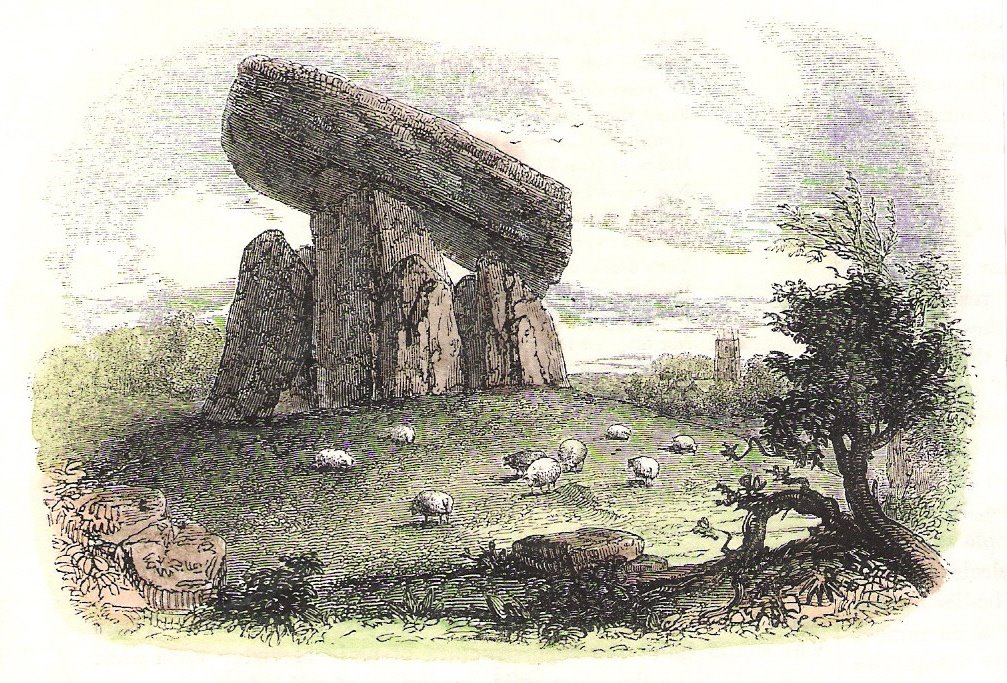
Trethevy Quoit
See to the north, the south.
At the moor's crown
Thin Field, hard-won, turns on
The Puzzle of Stones.
Lying in dreamtime here
Knees dragged to chin,
With dagger, food and drink -
Who was that one?
None shall know, says bully blackbird.
None.
Field threaded with flowers
Cools in lost sun.
Under furze bank, yarrow
Sinks the drowned mine.
By spoil dump and bothy
Down the moor spine
Hear long-vanished voices
Falling again.
Now they are all gone, says bully blackbird.
All gone.
Hedgebirds loose on wild air
Their dole of song.
From churchtown the tractor
Stammers, is dumb.
In the wilderness house
Of granite, thorn,
Ask where are those who came.
Ask why we come.
Home, says bully blackbird,
Where is home?
Charles Causley (1917-2003)
At the moor's crown
Thin Field, hard-won, turns on
The Puzzle of Stones.
Lying in dreamtime here
Knees dragged to chin,
With dagger, food and drink -
Who was that one?
None shall know, says bully blackbird.
None.
Field threaded with flowers
Cools in lost sun.
Under furze bank, yarrow
Sinks the drowned mine.
By spoil dump and bothy
Down the moor spine
Hear long-vanished voices
Falling again.
Now they are all gone, says bully blackbird.
All gone.
Hedgebirds loose on wild air
Their dole of song.
From churchtown the tractor
Stammers, is dumb.
In the wilderness house
Of granite, thorn,
Ask where are those who came.
Ask why we come.
Home, says bully blackbird,
Where is home?
Charles Causley (1917-2003)
Tuesday, October 03, 2006

At Lanyon Quoit
Look not softly,
Stranger, upon this Stone Age scene,
Nor let remoteness
Disguise where living men have been
In grief and laughter.
Though all’s now hushed and gaunt and harsh,
You are standing where humanity once stood.
These stones seal a sepulchre
For your own flesh and blood.
Here lie our forebears,
Though their memorials have no name.
How should we know them,
If from the grave these tribesmen came?
What was their language?
No echo in the southwest wind
Recalls one word one single warrior said.
Ravaged granite stays to mark
The lost unlettered dead.
Here lie their women,
Short-lived mothers of chance-reared young.
The artless lullabies
This Cornish hillside once heard sung,
Their mourners’ dirges,
Are as soundless to this world’s ears
As to the deaf that skylark’s note above.
Cold silence grips their converse
And all their songs of love.
Arthur Caddick (1911-1987)
Stranger, upon this Stone Age scene,
Nor let remoteness
Disguise where living men have been
In grief and laughter.
Though all’s now hushed and gaunt and harsh,
You are standing where humanity once stood.
These stones seal a sepulchre
For your own flesh and blood.
Here lie our forebears,
Though their memorials have no name.
How should we know them,
If from the grave these tribesmen came?
What was their language?
No echo in the southwest wind
Recalls one word one single warrior said.
Ravaged granite stays to mark
The lost unlettered dead.
Here lie their women,
Short-lived mothers of chance-reared young.
The artless lullabies
This Cornish hillside once heard sung,
Their mourners’ dirges,
Are as soundless to this world’s ears
As to the deaf that skylark’s note above.
Cold silence grips their converse
And all their songs of love.
Arthur Caddick (1911-1987)
Saturday, September 30, 2006

The Merry Maidens
Near St. Buryan can be found
Nineteen stones. Two pillars
Of granite flank them on the ground
Like a pair of gaolers.
One sabbath eve nineteen young maids
Instead of going to pray
Strayed into a field's furtive shades
Hearing two pipers play.
Despite the day the maids did dance
Faster and faster still
And whirled into a senseless trance
Caused by those men of ill.
Lightning out of the cloudless air
Unfleshed their tender bones
And turned them and the evil pair
Into a group of stones.
Ronald Bottrall (1906-1989)
Nineteen stones. Two pillars
Of granite flank them on the ground
Like a pair of gaolers.
One sabbath eve nineteen young maids
Instead of going to pray
Strayed into a field's furtive shades
Hearing two pipers play.
Despite the day the maids did dance
Faster and faster still
And whirled into a senseless trance
Caused by those men of ill.
Lightning out of the cloudless air
Unfleshed their tender bones
And turned them and the evil pair
Into a group of stones.
Ronald Bottrall (1906-1989)
Sunday, September 24, 2006
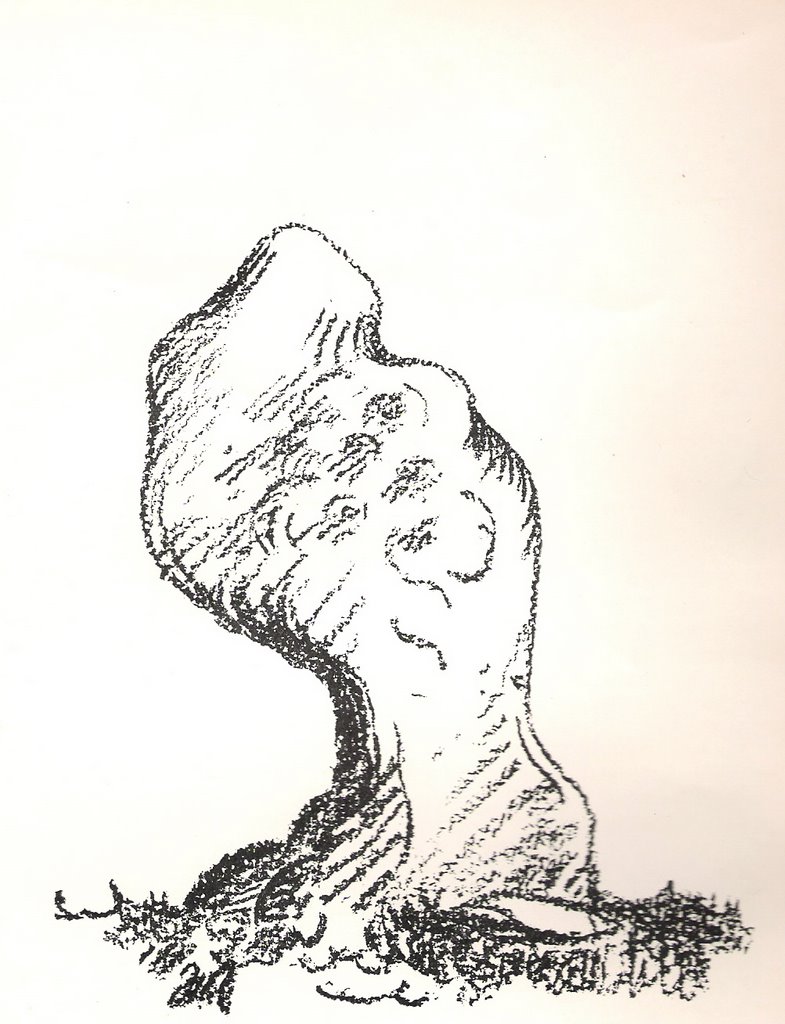
Friday, September 22, 2006

On Death's tree
Yet they were made of earth and fire as we,
The selfsame forces set us in our mould;
To life we woke from all that makes the past.
We grow on Death's tree as ephemeral flowers.
Thoger Larsen (1805-1837)
The selfsame forces set us in our mould;
To life we woke from all that makes the past.
We grow on Death's tree as ephemeral flowers.
Thoger Larsen (1805-1837)

This stupendous fabric
And this stupendous fabric, which for some thousands of years, had brav'd the continual assaults of weather, and by the nature of it, when left to itself, like the pyramids of Egypt, would have lasted as long as the globe, hath fallen a sacrifice to the wretched ignorance and avarice of a little village unluckily plac'd within it.
William Stukeley
William Stukeley
Thursday, September 14, 2006
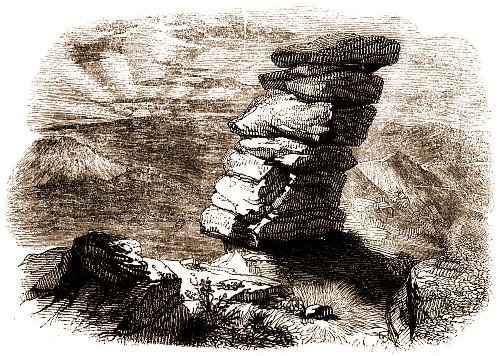
The Leech Gatherer
As a huge Stone is sometimes seen to lie
Couched on the bald top of an eminence;
Wonder to all who do the same espy,
By what means it could thither come, and whence;
So that it seems a thing endued with sense:
Like a Sea-beast crawled forth, that on a shelf
Of rock or sand reposeth, there to sun itself.
William Wordsworth
Couched on the bald top of an eminence;
Wonder to all who do the same espy,
By what means it could thither come, and whence;
So that it seems a thing endued with sense:
Like a Sea-beast crawled forth, that on a shelf
Of rock or sand reposeth, there to sun itself.
William Wordsworth
Wednesday, September 06, 2006
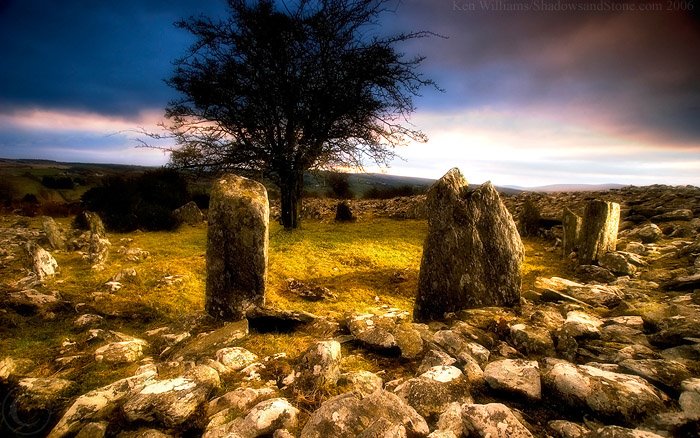
Cairns
Stamped with lichen, bound by bracken root,
Sunk in acid soil,
Each heap of stone affects disguise.
Death's ritual leaves slight signs.
Slanting sunlight, morning, evening,
Shadows each circumference. Betrays.
Many gouged by curiosity and greed.
First in rank and ostentation—first to fall;
The unpretentious huddle humbly in the soil, survive.
They are the scanty evidence of another life.
A smear upon the soil,
Burnt bone, a piece of flint, a pot, a bead,
Sealed once, but not invulnerable.
We focus on these tiny scraps of time
With force that hurls jet fighters overhead
And simulates the power of sun.
We are our Age, we bring technology
To bear upon a past where writing played no part,
But symbolism loomed large.
Gods lived and were placated;
Man and woman not enough.
Force drove through grass blades, crackled in the skies,
Hurled rainbows, hid the face of moon and sun.
Awesome. Kept us in our place.
We are the piece of broken bone, the pile of dust.
A piece of flint is our technology,
A bead or two our power or vanity.
We are the hands that placed the pot inside the grave,
Love that mourns a while.
The cairn above our heads cuts out the sky
As we move on.
Stan Beckensall
Sunk in acid soil,
Each heap of stone affects disguise.
Death's ritual leaves slight signs.
Slanting sunlight, morning, evening,
Shadows each circumference. Betrays.
Many gouged by curiosity and greed.
First in rank and ostentation—first to fall;
The unpretentious huddle humbly in the soil, survive.
They are the scanty evidence of another life.
A smear upon the soil,
Burnt bone, a piece of flint, a pot, a bead,
Sealed once, but not invulnerable.
We focus on these tiny scraps of time
With force that hurls jet fighters overhead
And simulates the power of sun.
We are our Age, we bring technology
To bear upon a past where writing played no part,
But symbolism loomed large.
Gods lived and were placated;
Man and woman not enough.
Force drove through grass blades, crackled in the skies,
Hurled rainbows, hid the face of moon and sun.
Awesome. Kept us in our place.
We are the piece of broken bone, the pile of dust.
A piece of flint is our technology,
A bead or two our power or vanity.
We are the hands that placed the pot inside the grave,
Love that mourns a while.
The cairn above our heads cuts out the sky
As we move on.
Stan Beckensall
Saturday, August 26, 2006
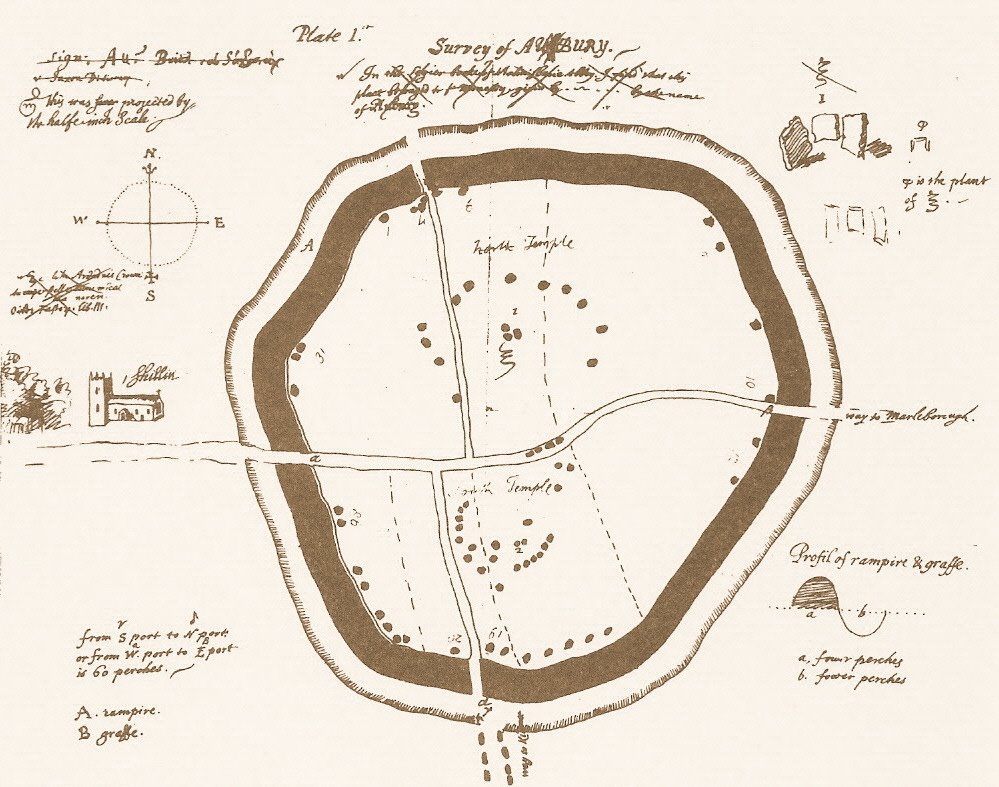
The Secret Places of the Heart (1922) by H G Wells
Wonderful indeed it is, a vast circumvallation that was already two thousand years old before the dawn of British history; a great wall of earth with its ditch most strangely on its inner and not on its outer side; and within this enclosure gigantic survivors of the great circles of unhewn stone that, even as late as Tudor days, were almost complete. A whole village, a church, a pretty manor house have been built, for the most part, out of the ancient megaliths; the great wall is sufficient to embrace them all with their gardens and paddocks; four cross-roads meet at the village centre. There are drawings of Avebury before these things arose there, when it was a lonely wonder on the plain, but for the most part the destruction was already done before the Mayflower sailed. To the southward stands the cone of Silbury Hill; its shadow creeps up and down the intervening meadows as the seasons change. Around this lonely place rise the Downs, now bare sheep pastures, in broad undulations, with a wart-like barrow here and there, and from it radiate, creeping up to gain and hold the crests of the hills, the abandoned trackways of that forgotten world. These trackways, these green roads of England, these roads already disused when the Romans made their highway past Silbury Hill to Bath, can still be traced for scores of miles through the land, running to Salisbury and the English Channel, eastward to the crossing at the Straits and westward to Wales, to ferries over the Severn, and southwestward into Devon and Cornwall.
Friday, August 25, 2006
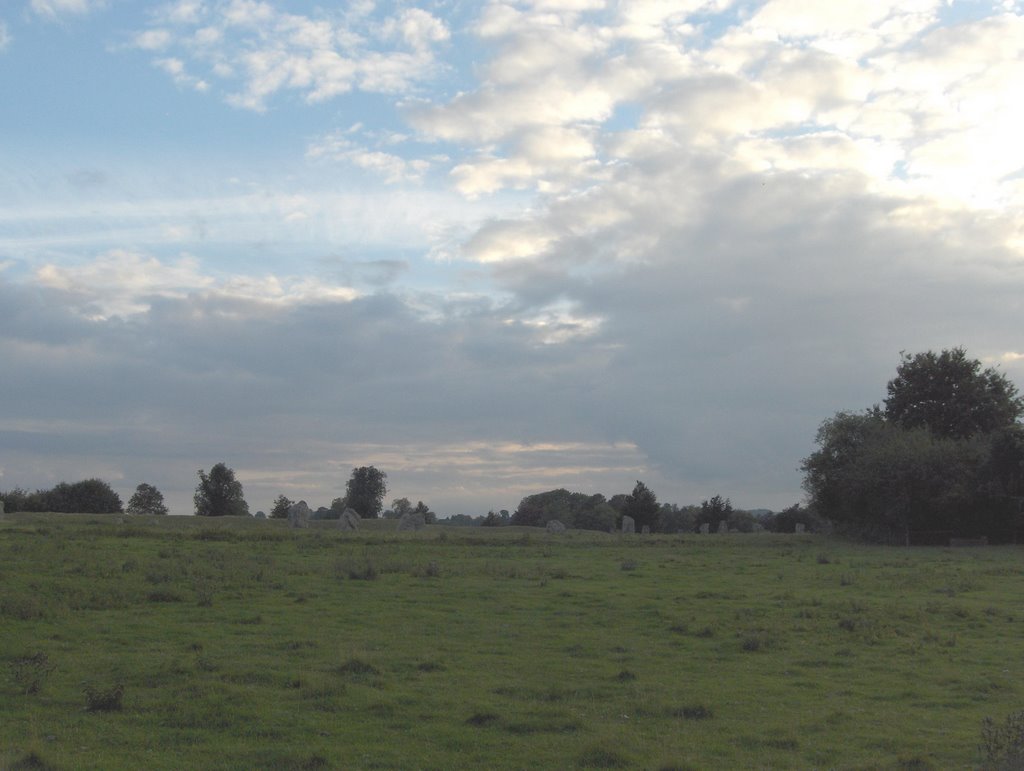
And see you, after rain
And see you, after rain, the trace
Of mound and ditch and wall?
O that was a Legion's camping-place,
When Caesar sailed from Gaul.
And see you marks that show and fade,
Like shadows on the downs?
O they are the lines the Flint men made,
To guard their wondrous towns!
Trackway and Camp and city lost,
Salt marsh where now is corn;
Old Wars, old Peace, old Arts that cease,
And so was England born!
Rudyard Kipling (1865-1936)
Of mound and ditch and wall?
O that was a Legion's camping-place,
When Caesar sailed from Gaul.
And see you marks that show and fade,
Like shadows on the downs?
O they are the lines the Flint men made,
To guard their wondrous towns!
Trackway and Camp and city lost,
Salt marsh where now is corn;
Old Wars, old Peace, old Arts that cease,
And so was England born!
Rudyard Kipling (1865-1936)
Thursday, August 24, 2006
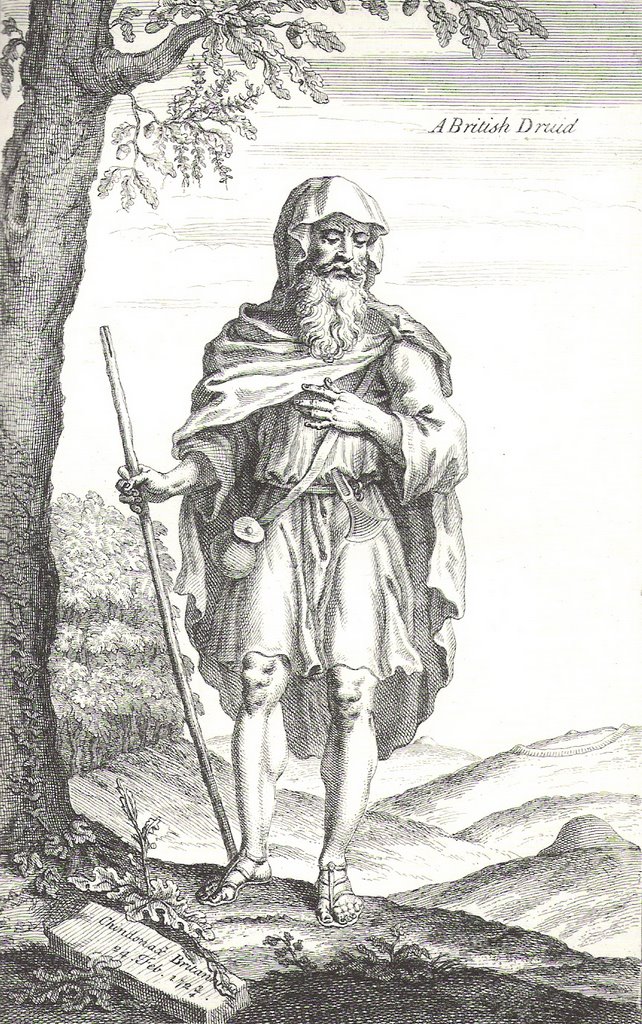
The stillness of this hill
As the sun, so shy, speeds on to hide behind the western
hills
I stand within this
Ancient circle with its rugged stones
Pointing to the sky
Like the digits on the clock of time -
The time that has refused to move,
As if the keeper of this heather hearth has gone to bed
Remembering not to lift
The fallen weights of Time and Space.
And as I rest upon this stone
I see a ladder too - like Jacob did
Reaching far into the end of Time, and
I seem to touch that void where there was only
Love
That brooded on the great abyss
Giving birth to
Life. And as the painful pangs of birth subside
I hear in the wind a mighty voice commanding through
eternal space,
"Let there be Light", and
Light there Was.
The Light was good,
And it kissed the earth, they fell in love
And made a promise to be true for ever and for Ever.
They're still in love, for
As I rest upon this stone tonight I spy them kissing in their
Purple gowns
As touch they do on that horizon bed
Where they'll embrace 'till dawn
I know they will not part
For as tomorrow comes they'll wake, and walk together
through
another day,
While all the children of the living earth
Will call them blessed as they pass.
And as I touch this stone
I feel the hands of those
My brothers
Who at dawn of human life
Erected to that same Old Sun
This temple of eternal praise, and thanked the
Source of Light and Love for just
Another day - to be alive.
And now I hear in the stillness of this hill,
Where there's no time,
The voice of him who said,
"Let there be Light"
And light there was,
There is,
And will be tomorrow for my sons,
And their children too.
Iolo Morgannwg (1747-1826)
hills
I stand within this
Ancient circle with its rugged stones
Pointing to the sky
Like the digits on the clock of time -
The time that has refused to move,
As if the keeper of this heather hearth has gone to bed
Remembering not to lift
The fallen weights of Time and Space.
And as I rest upon this stone
I see a ladder too - like Jacob did
Reaching far into the end of Time, and
I seem to touch that void where there was only
Love
That brooded on the great abyss
Giving birth to
Life. And as the painful pangs of birth subside
I hear in the wind a mighty voice commanding through
eternal space,
"Let there be Light", and
Light there Was.
The Light was good,
And it kissed the earth, they fell in love
And made a promise to be true for ever and for Ever.
They're still in love, for
As I rest upon this stone tonight I spy them kissing in their
Purple gowns
As touch they do on that horizon bed
Where they'll embrace 'till dawn
I know they will not part
For as tomorrow comes they'll wake, and walk together
through
another day,
While all the children of the living earth
Will call them blessed as they pass.
And as I touch this stone
I feel the hands of those
My brothers
Who at dawn of human life
Erected to that same Old Sun
This temple of eternal praise, and thanked the
Source of Light and Love for just
Another day - to be alive.
And now I hear in the stillness of this hill,
Where there's no time,
The voice of him who said,
"Let there be Light"
And light there was,
There is,
And will be tomorrow for my sons,
And their children too.
Iolo Morgannwg (1747-1826)
Thursday, August 17, 2006

Measured from side to side: Stukeley to Wordsworth
High on a mountain's highest ridge,
Where oft the stormy winter gale
Cuts like a scythe, while through the clouds
It sweeps from vale to vale;
Not five yards from the mountain-path,
This thorn you on your left espy;
And to the left, three yards beyond,
You see a little muddy pond
Of water, never dry;
I've measured it from side to side:
'Tis three feet long, and two feet wide.
And close beside this aged thorn,
There is a fresh and lovely sight,
A beauteous heap, a hill of moss,
Just half a foot in height.
All lovely colours there you see,
All colours that were ever seen,
And mossy network too is there,
As if by hand of lady fair
The work had woven been,
And cups, the darlings of the eye,
So deep is their vermilion dye.
Ah me! what lovely tints are there!
Of olive-green and scarlet bright,
In spikes, in branches, and in stars,
Green, red, and pearly white.
This heap of earth o'ergrown with moss,
Which close beside the thorn you see,
So fresh in all its beauteous dyes,
Is like an infant's grave in size
As like as like can be:
But never, never any where,
An infant's grave was half so fair.
From The Thorn by William Wordsworth (please see accompanying comment).
Where oft the stormy winter gale
Cuts like a scythe, while through the clouds
It sweeps from vale to vale;
Not five yards from the mountain-path,
This thorn you on your left espy;
And to the left, three yards beyond,
You see a little muddy pond
Of water, never dry;
I've measured it from side to side:
'Tis three feet long, and two feet wide.
And close beside this aged thorn,
There is a fresh and lovely sight,
A beauteous heap, a hill of moss,
Just half a foot in height.
All lovely colours there you see,
All colours that were ever seen,
And mossy network too is there,
As if by hand of lady fair
The work had woven been,
And cups, the darlings of the eye,
So deep is their vermilion dye.
Ah me! what lovely tints are there!
Of olive-green and scarlet bright,
In spikes, in branches, and in stars,
Green, red, and pearly white.
This heap of earth o'ergrown with moss,
Which close beside the thorn you see,
So fresh in all its beauteous dyes,
Is like an infant's grave in size
As like as like can be:
But never, never any where,
An infant's grave was half so fair.
From The Thorn by William Wordsworth (please see accompanying comment).
Sunday, August 13, 2006
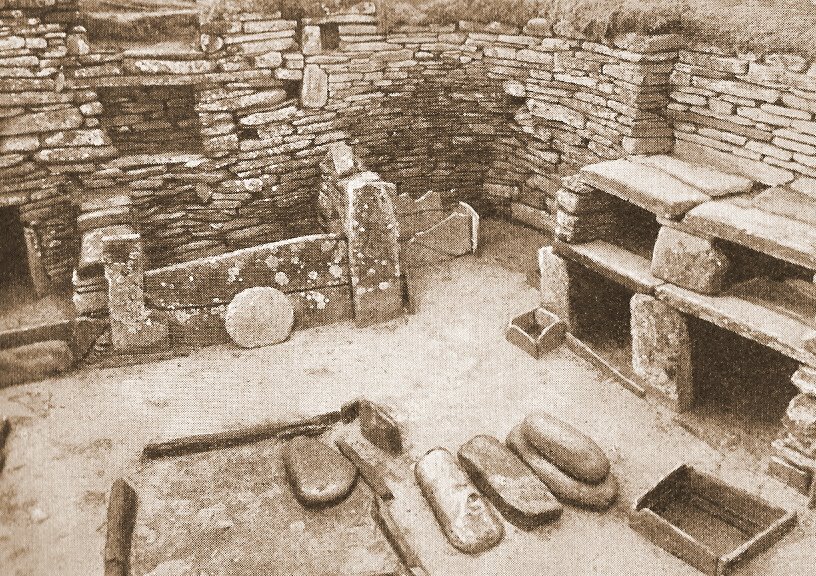
Skara Brae
Here in our village in the west
We are little regarded.
The lords of tilth and loch
Are Quarrying (we hear)
Great stones to make a stone circle.
In the last of the snow
A great one died
In that stone hollow in the east.
A winter sunset
Will touch his mouth. He carries
A cairngorm on his cold finger
To the country of the dead.
They come here from Birsay
To take our fish for taxes. Otherwise
We are left in peace
With our small fires and pots.
Will it be a morning for fishermen?
The sun died in red flames
Then the night swarmed with stars, like fish.
The sea gives and takes. The sea
Devoured four houses one winter.
Ask the old one to make a clay lamp
The ripening sun
May be pleased with the small flame, at-plough-time.
George Mackay Brown (1921 - 1996)
We are little regarded.
The lords of tilth and loch
Are Quarrying (we hear)
Great stones to make a stone circle.
In the last of the snow
A great one died
In that stone hollow in the east.
A winter sunset
Will touch his mouth. He carries
A cairngorm on his cold finger
To the country of the dead.
They come here from Birsay
To take our fish for taxes. Otherwise
We are left in peace
With our small fires and pots.
Will it be a morning for fishermen?
The sun died in red flames
Then the night swarmed with stars, like fish.
The sea gives and takes. The sea
Devoured four houses one winter.
Ask the old one to make a clay lamp
The ripening sun
May be pleased with the small flame, at-plough-time.
George Mackay Brown (1921 - 1996)
Thursday, August 10, 2006
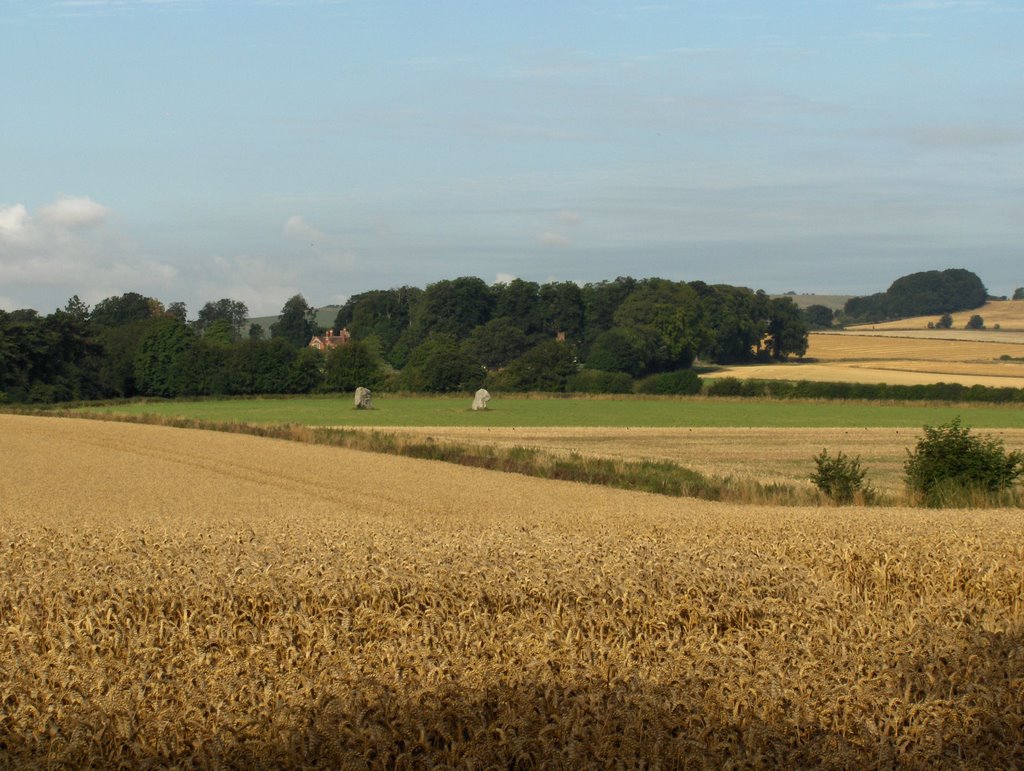
Soldiers in grey
Flanked by the fallen,
Scarred by the wind,
See the soldiers in grey,
Holding the line
That was willed in a world that is gone.
Lost is the reason, gone the control,
Dead are the lords of the stones.
Yet dutiful still, see the soldiers in grey
Holding the line,
Obeying a granite command.
Come Wiccan, come wacko, come Wayne,
Come archaeo, megarak and loon,
See the soldiers in grey, holding the line,
See the power that endures, see the will
Imposed from a world that is gone.
Anon
Scarred by the wind,
See the soldiers in grey,
Holding the line
That was willed in a world that is gone.
Lost is the reason, gone the control,
Dead are the lords of the stones.
Yet dutiful still, see the soldiers in grey
Holding the line,
Obeying a granite command.
Come Wiccan, come wacko, come Wayne,
Come archaeo, megarak and loon,
See the soldiers in grey, holding the line,
See the power that endures, see the will
Imposed from a world that is gone.
Anon
Tuesday, August 08, 2006
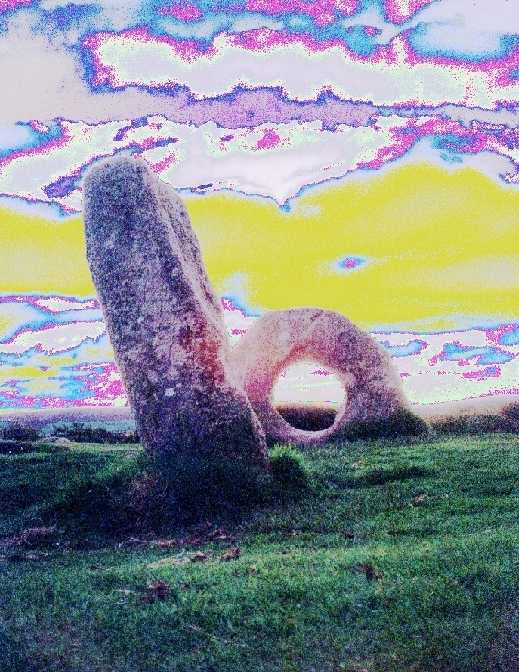
Two Visits to the Men-an-Tol
Ishmael’s Shaft, Hard Shaft and Robin’s Shaft,
long disused now, mere falls of shadow and air
into tunnelled earth, wickered-over with keep-out lids,
but the abandoned engine houses around Bodrifty
and Little Galver glitter charmed lives in holiday sun
under a clear wildblue sky as we approach
the stones moored in the moorland;
years ago, on our first visit, mist looms
wove and unwove luminous chilly muslins of fog
over the gorseland
out of which the three stones suddenly blossomed,
two waist-high pillars, to east and west,
and between them,
forever motionlessly circling,
a holed stone big enough for anyone to look out or in,
holy stone and her two sentinel sisters.
(Who said at night they run to the river and drink,
or dance across the brazen moor,
hopping over the laid-stone hedges?)
Twenty years ago I clambered through the maw
of the mother stone, entering, travelling, exiting
three times,
the rabbit-mown grass scratchy on my knees
as I crawled through, against the clouded sun
through this granite polo-mint mother,
or giantess-bracelet of stone,
cervix-anchor steadying me in a sea of mist and gorse,
the mass of her cold and rough to my touch,
like a fallen moon, stone ball of string,
ravelling and unravelling in stillness -
winding thousands of years of healing,
fertility and divination invisibly around herself
and her attendant pillars -
I threaded myself through the pierced stone,
my child within me not to be born for seven months yet;
fertile I was, blessing for the child I sought,
safe passage -
for first comes blossom, then bud, then fruit -
hoicked up into the world via meticulous hospital panics,
she arrived unharmed; and years later, at noon,
at the hot height of May, the coconut scent of the gorse
outfragrancing the salt of the sea,
drifting the yachts along in perfumed gales,
my daughter plunge-wriggles, coquettes and corkscrews
herself through the granite 0,
the ever-open place’s massive orbit:
now it is she who will carry the cornucopia,
roped in her turn to earth and the spring.
Penelope Shuttle
long disused now, mere falls of shadow and air
into tunnelled earth, wickered-over with keep-out lids,
but the abandoned engine houses around Bodrifty
and Little Galver glitter charmed lives in holiday sun
under a clear wildblue sky as we approach
the stones moored in the moorland;
years ago, on our first visit, mist looms
wove and unwove luminous chilly muslins of fog
over the gorseland
out of which the three stones suddenly blossomed,
two waist-high pillars, to east and west,
and between them,
forever motionlessly circling,
a holed stone big enough for anyone to look out or in,
holy stone and her two sentinel sisters.
(Who said at night they run to the river and drink,
or dance across the brazen moor,
hopping over the laid-stone hedges?)
Twenty years ago I clambered through the maw
of the mother stone, entering, travelling, exiting
three times,
the rabbit-mown grass scratchy on my knees
as I crawled through, against the clouded sun
through this granite polo-mint mother,
or giantess-bracelet of stone,
cervix-anchor steadying me in a sea of mist and gorse,
the mass of her cold and rough to my touch,
like a fallen moon, stone ball of string,
ravelling and unravelling in stillness -
winding thousands of years of healing,
fertility and divination invisibly around herself
and her attendant pillars -
I threaded myself through the pierced stone,
my child within me not to be born for seven months yet;
fertile I was, blessing for the child I sought,
safe passage -
for first comes blossom, then bud, then fruit -
hoicked up into the world via meticulous hospital panics,
she arrived unharmed; and years later, at noon,
at the hot height of May, the coconut scent of the gorse
outfragrancing the salt of the sea,
drifting the yachts along in perfumed gales,
my daughter plunge-wriggles, coquettes and corkscrews
herself through the granite 0,
the ever-open place’s massive orbit:
now it is she who will carry the cornucopia,
roped in her turn to earth and the spring.
Penelope Shuttle
Tuesday, August 01, 2006
Channel Firing
That night your great guns, unawares,
Shook all our coffins as we lay,
And broke the chancel window-squares,
We thought it was the Judgement-day
And sat upright. While drearisome
Arose the howl of wakened hounds:
The mouse let fall the altar-crumb,
The worms drew back into their mounds,
The glebe-cow drooled. Till God called, `No;
It's gunnery practice out at sea
Just as before you went below;
The world is as it used to be:
`All nations striving strong to make
Red war yet redder. Mad as hatters
They do no more for Christés sake
Than you that are helpless in such matters.
`That this is not the judgement-hour
For some of them's a blessed thing,
For if it were they'd have to scour
Hell's floor for so much threatening...
`Ha, ha. It will be warmer when
I blow the trumpet (if indeed
I ever do; for you are men,
And rest eternal sorely need).'
So down we lay again. `I wonder,
Will the world ever saner be,
'Said one, `than when He sent us under
In our indifferent century!'
And many a skeleton shook his head.
`Instead of preaching forty year,'
My neighbour Parson Thirdly said,
`I wish I had stuck to pipes and beer.
'Again the guns disturbed the hour,
Roaring their readiness to avenge,
As far inland as Stourton Tower,
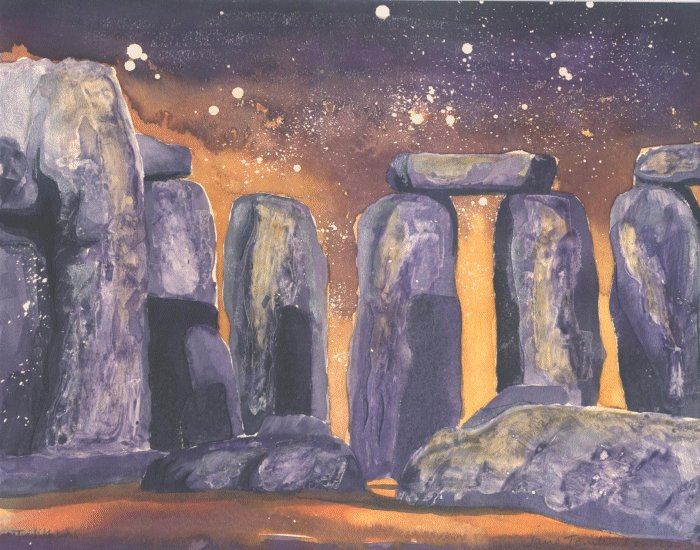
And Camelot, and starlit Stonehenge.
Thomas Hardy (1840-1928)
Shook all our coffins as we lay,
And broke the chancel window-squares,
We thought it was the Judgement-day
And sat upright. While drearisome
Arose the howl of wakened hounds:
The mouse let fall the altar-crumb,
The worms drew back into their mounds,
The glebe-cow drooled. Till God called, `No;
It's gunnery practice out at sea
Just as before you went below;
The world is as it used to be:
`All nations striving strong to make
Red war yet redder. Mad as hatters
They do no more for Christés sake
Than you that are helpless in such matters.
`That this is not the judgement-hour
For some of them's a blessed thing,
For if it were they'd have to scour
Hell's floor for so much threatening...
`Ha, ha. It will be warmer when
I blow the trumpet (if indeed
I ever do; for you are men,
And rest eternal sorely need).'
So down we lay again. `I wonder,
Will the world ever saner be,
'Said one, `than when He sent us under
In our indifferent century!'
And many a skeleton shook his head.
`Instead of preaching forty year,'
My neighbour Parson Thirdly said,
`I wish I had stuck to pipes and beer.
'Again the guns disturbed the hour,
Roaring their readiness to avenge,
As far inland as Stourton Tower,
And Camelot, and starlit Stonehenge.
Thomas Hardy (1840-1928)
Friday, July 21, 2006

The Horses
I climbed through the woods in the hour before-dawn dark.
Evil air, a frost-making stillness.
Not a leaf, not a bird -
A world cast in frost, I came out above the wood
Where my breath left tortuous statues in the iron light,
But in the valleys were draining the darkness
Till the moorline - blackening dregs of the brightening
grey -
Halved the sky ahead. And I saw the horses.
Huge in the dense grey - ten together -
Megalith-still. They breathed, making no move,
With draped manes and tilted hind-hooves,
Making no sound.
I passed: not one snorted or jerked his head.
Grey silent fragments
Of a grey world.
I listened in emptiness on the moor-ridge.
The curfew’s tear turned its edge on the silence.
Slowly detail I leafed from the darkness. Then the sun,
Orange, red, red erupted.
Silently, and splitting to its core tore and flung cloud,
Shook the gulf open, showered blue,
And the big planets hanging -
I turned
Stumbling in the fever of a dream, down towards
The dark woods, from the kindling tops,
And came to the horses.
They still they stood.
But now steaming and glistening under the flow of light,
Their draped stone manes, their tilted hind-hooves
Stirring under a thaw while all around them
The frost showed its fires. But still they made no sound.
Not one snorted and stamped.
Their hung heads patient as the horizons,
High over valleys, in the red levelling rays -
In the din of the crowded streets, going among the
Years, the faces,
May I still meet my memory in so lonely a place
Between the streams and the red clouds, hearing curfews,
Hearing the horizons endure.
Ted Hughes
Evil air, a frost-making stillness.
Not a leaf, not a bird -
A world cast in frost, I came out above the wood
Where my breath left tortuous statues in the iron light,
But in the valleys were draining the darkness
Till the moorline - blackening dregs of the brightening
grey -
Halved the sky ahead. And I saw the horses.
Huge in the dense grey - ten together -
Megalith-still. They breathed, making no move,
With draped manes and tilted hind-hooves,
Making no sound.
I passed: not one snorted or jerked his head.
Grey silent fragments
Of a grey world.
I listened in emptiness on the moor-ridge.
The curfew’s tear turned its edge on the silence.
Slowly detail I leafed from the darkness. Then the sun,
Orange, red, red erupted.
Silently, and splitting to its core tore and flung cloud,
Shook the gulf open, showered blue,
And the big planets hanging -
I turned
Stumbling in the fever of a dream, down towards
The dark woods, from the kindling tops,
And came to the horses.
They still they stood.
But now steaming and glistening under the flow of light,
Their draped stone manes, their tilted hind-hooves
Stirring under a thaw while all around them
The frost showed its fires. But still they made no sound.
Not one snorted and stamped.
Their hung heads patient as the horizons,
High over valleys, in the red levelling rays -
In the din of the crowded streets, going among the
Years, the faces,
May I still meet my memory in so lonely a place
Between the streams and the red clouds, hearing curfews,
Hearing the horizons endure.
Ted Hughes
Friday, July 14, 2006
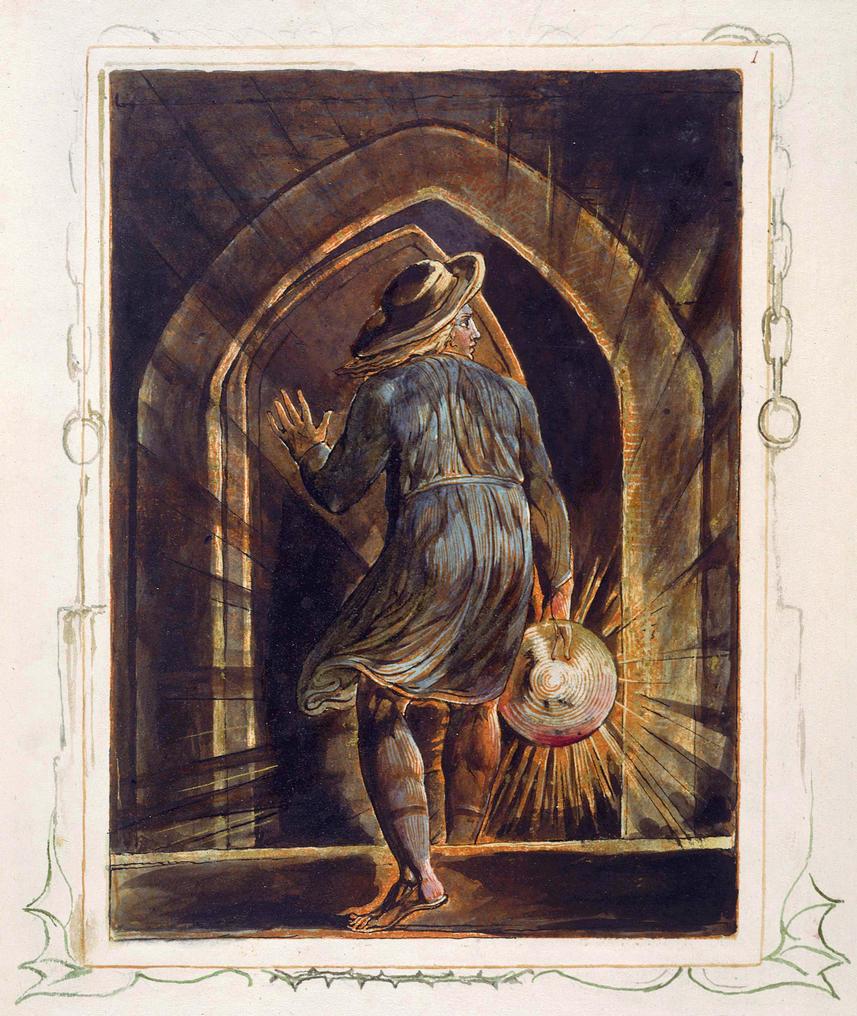
Lugbury
The stones are a doorway to the beyond
Where a single flame burns in the darkness.
Further in, a bonfire calling the sun:
The sun in splendour, behind a round hill
Embracing the moon, in love's ecstasy
Her tongues of fire, his shadow-tendrils
The radiant stones embrace all comers:
The hooded ones wait, holding the sacred,
Dreaming of the land; their wisdom enfolds
and holds the valley, keeping its secrets.
Bramble and elder twining together
Guard the mound's entrance. As we walk away
The waters of sleep close over the mound.
Yvonne Aburrow
Where a single flame burns in the darkness.
Further in, a bonfire calling the sun:
The sun in splendour, behind a round hill
Embracing the moon, in love's ecstasy
Her tongues of fire, his shadow-tendrils
The radiant stones embrace all comers:
The hooded ones wait, holding the sacred,
Dreaming of the land; their wisdom enfolds
and holds the valley, keeping its secrets.
Bramble and elder twining together
Guard the mound's entrance. As we walk away
The waters of sleep close over the mound.
Yvonne Aburrow

Stanton Drew
First you dismantle the landscape.
Take away everything you first
Thought of. Trees must go,
Roads, of course, the church,
Houses, hedges, livestock, a wire
Fence. The river can stay,
But loses its stubby fringe
Of willows. What do you
See now? Grass, the circling
Mendip rim, with its notches
Fresh, like carving. A sky
Like ours, but empty along
Its lower levels. And earth
Stripped of its future, tilted
Into meaning by these stones,
Pitted and unemphatic. Re-create them.
They are the most permanent
Presences here, but cattle, weather
Archaeologists have rubbed against them.
Still in season they will
Hold the winter sun poised
Over Maes Knoll's white cheek,
Chain the moon's footsteps to
The pattern of their dance.
Stand inside the circle. Put
Your hand on stone. Listen
To the past's long pulse.
U A Fanthorpe
Take away everything you first
Thought of. Trees must go,
Roads, of course, the church,
Houses, hedges, livestock, a wire
Fence. The river can stay,
But loses its stubby fringe
Of willows. What do you
See now? Grass, the circling
Mendip rim, with its notches
Fresh, like carving. A sky
Like ours, but empty along
Its lower levels. And earth
Stripped of its future, tilted
Into meaning by these stones,
Pitted and unemphatic. Re-create them.
They are the most permanent
Presences here, but cattle, weather
Archaeologists have rubbed against them.
Still in season they will
Hold the winter sun poised
Over Maes Knoll's white cheek,
Chain the moon's footsteps to
The pattern of their dance.
Stand inside the circle. Put
Your hand on stone. Listen
To the past's long pulse.
U A Fanthorpe
Thursday, July 13, 2006
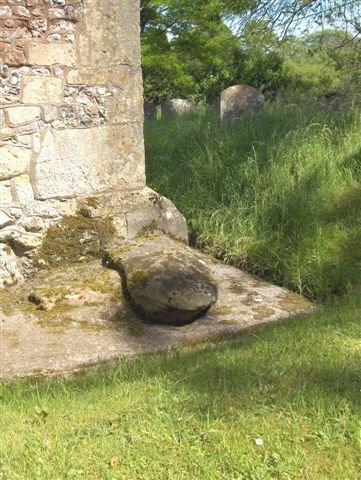
Us, soldiers of the stony hearth
Us, soldiers of the stony hearth
Hewing homage to a crowded sky
Hanging heaven onto maiden Earth
Cut stone forever cannot die.
From us, builders, comes forth god
From us, darkness comes forth light
From us all is overawed.
Us, sculptured artists of the night.
Thirteen twelve's, a sacred number
Cut in stone in all we've made
All we've made is torn asunder,
But stone remains, while all will fade.
"Ah, Man! Your stone remains, but NOT forever.
All Rocks. All Man. All dust together."
Donny McIntyre
Hewing homage to a crowded sky
Hanging heaven onto maiden Earth
Cut stone forever cannot die.
From us, builders, comes forth god
From us, darkness comes forth light
From us all is overawed.
Us, sculptured artists of the night.
Thirteen twelve's, a sacred number
Cut in stone in all we've made
All we've made is torn asunder,
But stone remains, while all will fade.
"Ah, Man! Your stone remains, but NOT forever.
All Rocks. All Man. All dust together."
Donny McIntyre
Wednesday, July 12, 2006

Calanais
To the stones again I go
I know what I will see
but this feeling always meets me
love and expectancy
dark looming mountains on the way
low rain clouds hang, ready to meet
with the land so full of water
not that much land actually
and the machair filled with flowers
cotton white, like snow to be
spread on and on forever, so heavenly
Then it's there, proud on the hilltop
stands tall and bold for all to see
Calanais sits awaiting
how many visitors will there be
to revere and be amazed
that it has stood for all those days
and what purpose has it played
in its own history?
Maybe a place of worship to the gods
they loved
for their harvests and the ones they took
who they thought they'd laid forever
ashes in the cairn to rest easy
or could it really be an act of love
out of respect for the mountains four
that are the 'old woman of the moor'
to pay homage for her watching over
mountain, moor and sea
cos she inspires awe in me
So if you get to Calanais
take no expectations of what will be
something unforgettably
a time you will remember
the only tool that you will need
is a mind that's open with eyes that greed
and take in the vista there to see
lochs, peatland, moor and mountains
Calanais has a place deep inside me
I am so glad that they found them
Krista
I know what I will see
but this feeling always meets me
love and expectancy
dark looming mountains on the way
low rain clouds hang, ready to meet
with the land so full of water
not that much land actually
and the machair filled with flowers
cotton white, like snow to be
spread on and on forever, so heavenly
Then it's there, proud on the hilltop
stands tall and bold for all to see
Calanais sits awaiting
how many visitors will there be
to revere and be amazed
that it has stood for all those days
and what purpose has it played
in its own history?
Maybe a place of worship to the gods
they loved
for their harvests and the ones they took
who they thought they'd laid forever
ashes in the cairn to rest easy
or could it really be an act of love
out of respect for the mountains four
that are the 'old woman of the moor'
to pay homage for her watching over
mountain, moor and sea
cos she inspires awe in me
So if you get to Calanais
take no expectations of what will be
something unforgettably
a time you will remember
the only tool that you will need
is a mind that's open with eyes that greed
and take in the vista there to see
lochs, peatland, moor and mountains
Calanais has a place deep inside me
I am so glad that they found them
Krista
Tuesday, July 11, 2006
Barbury Camp
We burrowed night and day with tools of lead,
Heaped the bank up and cast it in a ring
And hurled the earth above. And Caesar said,
“Why, it is excellent. I like the thing.”
We, who are dead,
Made it, and wrought, and Caesar liked the thing.
And here we strove, and here we felt each vein
Ice-bound, each limb fast-frozen, all night long.
And here we held communion with the rain
That lashed us into manhood with its thong,
Cleansing through pain.
And the wind visited us and made us strong.
Up from around us, numbers without name,
Strong men and naked, vast, on either hand
Pressing us in, they came. And the wind came
And bitter rain, turning grey all the land
That was our game,
To fight with men and storms, and it was grand.
For many days we fought them, and our sweat
Watered the grass, making it spring up green,
Blooming for us. And, if the wind was wet,
Our blood wetted the wind, making it keen
With the hatred
And wrath and courage that our blood had been.
So, fighting men and winds and tempests, hot
With joy and hate and battle-lust, we fell
Where we fought. And God said, “Killed at last then?
What!
Ye that are too strong for heaven, too clean for hell,
(God said) stir not.
This be your heaven, or, if ye will, your hell.”
So again we fight and wrestle, and again
Hurl the earth up and cast it in a ring.
But when the wind comes up, driving the rain
(Each rain-drop a fiery steed), and the mists rolling
Up from the plain,
This wild procession, this impetuous thing.
Hold us amazed. We mount the wind-cars, then
Whip up the steeds and drive through all the world,
Searching to find somewhere some brethren,
Sons of the winds and waters of the world.
We, who were men,
Have sought, and found no men in all this world.
Wind, that has blown here always ceaselessly,
Bringing, if any man can understand,
Might to the mighty, freedom to the free;
Wind, that has caught us, cleansed us, made us grand,
Wind that is we
(We that were men)—make men in all this land,
That so may live and wrestle and hate that when
They fall at last exultant, as we fell,
And come to God, God may say, “Do you come then
Mildly enquiring, is it heaven or hell?
Why! Ye were men!
Back to your winds and rains. Be these your heaven and hell!”
Charles Hamilton Sorley (1895-1915)
Heaped the bank up and cast it in a ring
And hurled the earth above. And Caesar said,
“Why, it is excellent. I like the thing.”
We, who are dead,
Made it, and wrought, and Caesar liked the thing.
And here we strove, and here we felt each vein
Ice-bound, each limb fast-frozen, all night long.
And here we held communion with the rain
That lashed us into manhood with its thong,
Cleansing through pain.
And the wind visited us and made us strong.
Up from around us, numbers without name,
Strong men and naked, vast, on either hand
Pressing us in, they came. And the wind came
And bitter rain, turning grey all the land
That was our game,
To fight with men and storms, and it was grand.
For many days we fought them, and our sweat
Watered the grass, making it spring up green,
Blooming for us. And, if the wind was wet,
Our blood wetted the wind, making it keen
With the hatred
And wrath and courage that our blood had been.
So, fighting men and winds and tempests, hot
With joy and hate and battle-lust, we fell
Where we fought. And God said, “Killed at last then?
What!
Ye that are too strong for heaven, too clean for hell,
(God said) stir not.
This be your heaven, or, if ye will, your hell.”
So again we fight and wrestle, and again
Hurl the earth up and cast it in a ring.
But when the wind comes up, driving the rain
(Each rain-drop a fiery steed), and the mists rolling
Up from the plain,
This wild procession, this impetuous thing.
Hold us amazed. We mount the wind-cars, then
Whip up the steeds and drive through all the world,
Searching to find somewhere some brethren,
Sons of the winds and waters of the world.
We, who were men,
Have sought, and found no men in all this world.
Wind, that has blown here always ceaselessly,
Bringing, if any man can understand,
Might to the mighty, freedom to the free;
Wind, that has caught us, cleansed us, made us grand,
Wind that is we
(We that were men)—make men in all this land,
That so may live and wrestle and hate that when
They fall at last exultant, as we fell,
And come to God, God may say, “Do you come then
Mildly enquiring, is it heaven or hell?
Why! Ye were men!
Back to your winds and rains. Be these your heaven and hell!”
Charles Hamilton Sorley (1895-1915)
Wednesday, July 05, 2006

Tess of the d'Urbervilles by Thomas Hardy
The wind, playing upon the edifice, produced a booming tune, like the note of some gigantic one-stringed harp. No other sound came from it, and lifting his hand and advancing a step or two, Clare felt the vertical surface of the structure. It seemed to be of solid stone, without joint or moulding. Carrying his fingers onward he found that what he had come in contact with was a colossal rectangular pillar; by stretching out his left hand he could feel a similar one adjoining. At an indefinite height overhead something made the black sky blacker, which had the semblance of a vast architrave uniting the pillars horizontally. They carefully entered beneath and between; the surfaces echoed their soft rustle; but they seemed to be still out of doors. The place was roofless.
In the far north-east sky he could see between the pillars a level streak of light. The uniform concavity of black cloud was lifting bodily like the lid of a pot, letting in at the earth's edge the coming day, against which the towering monoliths and trilithons began to be blackly defined.
The band of silver paleness along the east horizon made even the distant parts of the Great Plain appear dark and near; and the whole enormous landscape bore that impress of reserve, taciturnity, and hesitation which is usual just before day. The eastward pillars and their architraves stood up blackly against the light, and the great flame-shaped Sun-stone beyond them; and the Stone of Sacrifice midway. Presently the night wind died out, and the quivering little pools in the cup-like hollows of the stones lay still.
In the far north-east sky he could see between the pillars a level streak of light. The uniform concavity of black cloud was lifting bodily like the lid of a pot, letting in at the earth's edge the coming day, against which the towering monoliths and trilithons began to be blackly defined.
The band of silver paleness along the east horizon made even the distant parts of the Great Plain appear dark and near; and the whole enormous landscape bore that impress of reserve, taciturnity, and hesitation which is usual just before day. The eastward pillars and their architraves stood up blackly against the light, and the great flame-shaped Sun-stone beyond them; and the Stone of Sacrifice midway. Presently the night wind died out, and the quivering little pools in the cup-like hollows of the stones lay still.

Hyperion: Book II
Scarce images of life, one here, one there,
Lay vast and edgeways; like a dismal cirque
Of Druid stones, upon a forlorn moor,
When the chill rain begins at shut of eve,
In dull November, and their chancel vault,
The Heaven itself, is blinded throughout night.
Each one kept shroud, nor to his neighbour gave
Or word, or look, or action of despair.
John Keats
Lay vast and edgeways; like a dismal cirque
Of Druid stones, upon a forlorn moor,
When the chill rain begins at shut of eve,
In dull November, and their chancel vault,
The Heaven itself, is blinded throughout night.
Each one kept shroud, nor to his neighbour gave
Or word, or look, or action of despair.
John Keats
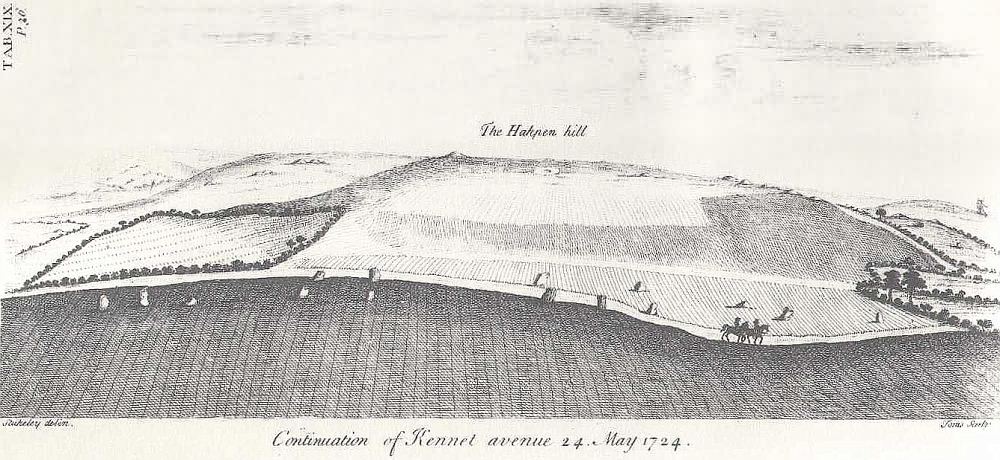
A place for heart and soul
Summer solstice and a familiar road to take you there.
Clacket Lane Services for a stretch and a sandwich
then on into Berkshire where the trees and spaces
gently stretch heart and mind to their own making.
And just after Membury comes a sight to bring you home
a line of Downland like your lover's lines in the morning.
Softly sailing into an ancient dreamland
where time itself stalls and shimmers still.
Take the old Roman road to Marlborough at junction 15
or exit at 16 and up the hill to Hackpen?
It doesn't really matter
this is home now and a little indescribable but
nonetheless home.
Silage and slowness and cheaper beer
a place where you can stretch a while without being charged for it.
Mud on the road, people with maps, muddy boots, ideas and drums.
A place where the world changes without changing.
A place where there's still a place for heart and soul
inviting you to reach out and make it your own.
A place to stroll and whisper and smile.
A place where you know you've got it right.
LS
Clacket Lane Services for a stretch and a sandwich
then on into Berkshire where the trees and spaces
gently stretch heart and mind to their own making.
And just after Membury comes a sight to bring you home
a line of Downland like your lover's lines in the morning.
Softly sailing into an ancient dreamland
where time itself stalls and shimmers still.
Take the old Roman road to Marlborough at junction 15
or exit at 16 and up the hill to Hackpen?
It doesn't really matter
this is home now and a little indescribable but
nonetheless home.
Silage and slowness and cheaper beer
a place where you can stretch a while without being charged for it.
Mud on the road, people with maps, muddy boots, ideas and drums.
A place where the world changes without changing.
A place where there's still a place for heart and soul
inviting you to reach out and make it your own.
A place to stroll and whisper and smile.
A place where you know you've got it right.
LS
Subscribe to:
Posts (Atom)